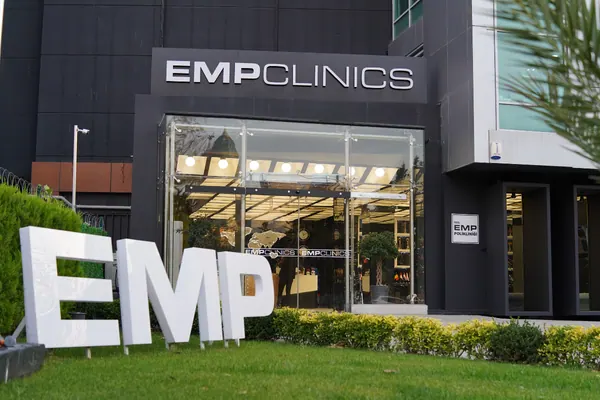
In recent years, an Istanbul hair transplant has become a major decision for patients from both Türkiye and abroad — one that requires striking a delicate balance between aesthetic expectations, medical safety, and long-term satisfaction. The growing number of clinics, misleading success stories circulating on social media, and the complexity of technical terminology leave many people confused when trying to choose the right method and the right center. In this guide, we approach the issue not merely as hair loss, but also as a problem of information gaps, mismanaged expectations, and the risks of clinic selection.
In the sections that follow, we will examine the current trends shaping Istanbul's hair transplant market, the specific needs that methods such as FUE and DHI address, the legal and practical criteria to weigh when choosing a clinic, and the local dynamics that influence the patient experience in Türkiye. We will also look at how AI-assisted planning, personalized treatment protocols, and patient safety standards may shape the industry going forward. For those who want to take a closer look, detailed information about hair transplant services can be a useful starting point.
Why is demand for hair transplants in Istanbul so high?
Two core problems drive the intense demand in Istanbul's hair transplant market: the aesthetic and psychological impact of hair loss, and the fact that in many countries the procedure is either prohibitively expensive or involves long waiting times. Istanbul answers with more accessible pricing, deep physician and team experience, an advanced private healthcare infrastructure, and a service model fully integrated with medical tourism. Airport accessibility, accommodation options, and multilingual patient coordination also put the city firmly ahead within the Türkiye market.
The current dynamics fueling demand
In recent years, social media visibility, shifting attitudes toward male grooming, and rising expectations for a natural hairline have accelerated demand. While FUE, DHI, and sapphire blade procedures are discussed more than ever, clinics now offer far more than transplantation alone — including digital analysis, surgical planning, and recovery follow-up. High demand, however, also brings risks such as substandard service, inadequate physician assessment, and weak post-operative follow-up.
The right approach and a look ahead
- When choosing a clinic, always verify its Ministry of Health license, its medical tourism authorization, and who actually leads the operation.
- In Türkiye — especially for international patients — compliance with documentation, registration, and patient safety procedures is becoming increasingly critical.
- For an overview of current practices and how a center is structured, reviewing Istanbul hair transplant solutions can be helpful.
- For details on a personalized process, pre-operative assessment, and post-operative support, getting in touch is a sounder starting point.
In the period ahead, AI-assisted hair analysis, more controlled donor planning, and service models focused on long-term follow-up are expected to define competition in the Istanbul hair transplant field.
The most common problems faced by people experiencing hair loss
For those researching a hair transplant in Istanbul, the most common problem is recognizing the cause of hair loss too late. Genetic predisposition, stress, hormonal changes, use of the wrong products, and environmental factors can all accelerate the process — particularly in big-city life. Although rising awareness in the Türkiye market has led people to seek consultations earlier, misinformation spread through social media remains a serious issue. Misguided advice can lead to unnecessary procedures and results that fall short of a natural look.
Choosing the wrong clinic and managing expectations
Another widespread problem is making decisions based on price alone. When choosing a clinic for a hair transplant in Istanbul, physician experience, the techniques used, sterilization standards, and compliance with Ministry of Health regulations should all be assessed together. Thorough pre-operative hair analysis, donor area planning, and fully individualized design have a direct impact on long-term success. That is why it is important for patients to obtain detailed information about hair transplant procedures and to ground their decision in technical data.
Current solutions and what to expect next
Today, methods such as micromotor extraction, sapphire blades, and DHI deliver more controlled and comfortable procedures. Looking ahead, AI-assisted hair analysis, personalized transplant planning, and regenerative treatments are expected to become increasingly prominent. To get clear information about the process and properly evaluate the right center, patients should contact the expert team and request a preliminary consultation.
Why is correctly defining the problem so critical before an Istanbul hair transplant?
The most common mistake in the Istanbul hair transplant journey is jumping straight to the operation without clarifying the cause of hair loss. Yet shedding may have a genetic, hormonal, stress-related, seasonal, or dermatological basis. When the problem is misdiagnosed, a transplant plan may look successful in the short term but lead to issues such as unnatural density, an irregular hairline, and the need for additional sessions down the line. With the growing number of clinics in Türkiye and the influence of medical tourism, the need for personalized analysis — rather than standard packages — has become more important than ever.
The right diagnosis means the right plan
The current trend is to plan not just around graft counts, but around donor area capacity, hair shaft thickness, age, and the shedding scenarios that may continue in the future. That is why a detailed consultation, dermoscopic examination, and medical history review are considered critical before an Istanbul hair transplant. It is essential to look for centers operating in compliance with Ministry of Health regulations and to clarify exactly who will perform the operation. At this stage, reviewing the clinic's official page can be a useful way to access institutional information.
Why does a forward-looking approach matter?
- Planning should account not only for today's thinning but also for new areas of loss that may develop later.
- A natural frontal hairline, facial proportions, and the aging process should be evaluated together.
- For all pre-operative questions, contacting the expert team raises the quality of your decision.
A correctly defined problem means more realistic expectations, safer planning, and a more sustainable result.
How is a suitable candidate for a hair transplant determined?
The most common problem in the Istanbul hair transplant market is the assumption that the procedure suits everyone equally. Procedures planned without a proper candidacy assessment can result in insufficient density, a poorly designed frontal line, and an unbalanced appearance in later years. In Türkiye especially, growing demand and the pace of medical tourism make a more systematic approach to candidate selection essential.
Core criteria in assessing candidacy
When determining whether someone is a suitable candidate for a hair transplant, the type of hair loss, donor area capacity, age, the pace of genetic shedding, and the person's expectations should be evaluated together. The current trend is toward long-term planning that accounts for future hair loss rather than simply covering existing thinning. For younger patients in particular, medical treatment, monitoring, and staged planning may be wiser than a rushed decision. When researching clinics, pay attention to factors such as the expert team and the patient evaluation process.
The right approach in Türkiye and the outlook ahead
To choose the right clinic in the Türkiye market, the physician should be actively involved in the evaluation process, the institution's legal operating structure should be transparent, and the pre- and post-operative plan should be shared in writing. A solution-focused approach comes down to the following:
- Measuring the donor area and calculating graft capacity realistically
- Considering hair transplantation together with medical treatment, depending on the cause of shedding
- Designing a natural frontal hairline appropriate to the patient's age
- Being able to communicate directly for check-ups, consultation, and follow-up
In the future, data-driven analysis, personalized planning, and stricter quality expectations will come to the fore in the Istanbul hair transplant field. A good candidate is therefore not simply someone with thinning hair, but someone who has been properly evaluated medically and moves forward with realistic goals.
When should medical treatment be considered first?
For many people planning a hair transplant in Istanbul, the underlying problem is the misconception that hair loss must always be solved surgically. In cases of active shedding, vitamin or mineral deficiencies, hormonal imbalances, stress, thyroid disorders, or dermatological conditions of the scalp, a medical evaluation should come first. As patient awareness in the Türkiye market has grown, centers capable of building personalized treatment plans — rather than defaulting straight to transplantation — have increasingly stood out.
Identify the source of the problem first
If shedding began suddenly, if there is diffuse thinning, or if the donor area appears weak, a dermatological examination and the necessary tests should be considered before a hair transplant. In Türkiye, it is a critical criterion that the center performing the procedure — operating within the framework of Ministry of Health regulations — takes its medical evaluation processes seriously. When researching an Istanbul hair transplant, look beyond price and graft counts to the center's capacity for medical pre-analysis.
Which solutions stand out?
- Medical treatment and physician monitoring for early-stage hair loss
- PRP, mesotherapy, and supportive hair health protocols
- A holistic approach addressing nutrition, lifestyle, and hormonal balance
The current trend is toward hybrid models that focus on preserving existing hair rather than treating transplantation as the only option. In the future, AI-assisted hair analysis and more personalized treatment plans are expected to become widespread across Istanbul's clinics. Before starting the process, seeking an expert opinion and requesting an evaluation through the contact page is the healthier first step.
Istanbul hair transplant methods: FUE, DHI, and current techniques
The most common problem in the Istanbul hair transplant field is that patients make decisions without fully understanding the differences between methods. Choosing the wrong technique can lead to an irregular hairline, poor graft yield, and a longer recovery. Within Istanbul's crowded clinic market, a person's hair loss pattern, donor area capacity, and expectations should therefore be evaluated together.
The key differences between FUE and DHI
FUE — in which grafts are harvested one by one and implanted after channels are opened — is the most widely used method in the Türkiye market. DHI, by contrast, uses special implanter pens to place grafts more densely and with greater control, and is often preferred for frontal hairline design. Among Istanbul hair transplant clinics, sapphire blade FUE has recently gained prominence for causing less tissue trauma and producing more precise channels. To compare current techniques and treatment philosophies, it can be helpful to review the clinic's approach.
Current trends and considerations specific to Türkiye
As medical tourism grows in Istanbul, package deals have multiplied — but making a decision on price alone is risky. Always verify the Ministry of Health license, confirm that the procedure is conducted under physician supervision, and ask about the post-operative follow-up plan. In the future, AI-assisted hairline design, digital imaging for follicle analysis, and personalized transplant plans will become increasingly common. Before choosing a clinic, contacting the expert team directly is the right step for clarifying which method suits you.
Why is the FUE technique so widespread in Istanbul hair transplant procedures?
The core challenge in the Istanbul hair transplant market is that patients seek a method that can deliver a natural look, a short recovery period, and a safe operation all at once. With older techniques, visible scarring, long recovery times, and limited planning flexibility were significant concerns — especially for people eager to return quickly to busy city life. This is where FUE, or follicular unit extraction, stands out by offering a more controlled, comfort-focused solution.
Natural results and surgical planning
The main reason FUE has become so widespread in Istanbul hair transplant procedures is that it allows grafts to be harvested and implanted individually. This makes it possible to design a more natural hairline and to address localized thinning with greater precision. In Türkiye, particularly at clinics with heavy international patient traffic, personalized planning and digital analysis systems are increasingly used alongside FUE. When researching clinics offering Istanbul hair transplant solutions, carefully evaluate the medical team, sterilization standards, and whether the center operates in compliance with Ministry of Health regulations.
Current trends and future expectations
Today in Istanbul, sapphire blades, DHI-assisted hybrid procedures, and supportive protocols designed to speed post-operative recovery are frequently mentioned alongside FUE. In the future, AI-assisted graft planning and data-driven patient analysis are expected to make outcomes more predictable. But the right clinic matters as much as the right method. Patients should therefore request a detailed evaluation before the procedure and, where needed, reach out for an expert opinion to make a more informed decision.
When does DHI hair transplantation stand out?
One of the most common problems in the Istanbul hair transplant market is a mismatch between the patient's hairline expectations and the graft plan. For people experiencing thinning along the frontal hairline — who have not lost their existing hair entirely and are aiming for a denser look — classic channel-opening techniques may not always deliver the same precision. This is where DHI hair transplantation stands out, as it allows grafts to be placed with more controlled angle and direction.
Which patients may it suit best?
DHI hair transplantation is frequently preferred for patients who need transplantation in a limited area, want a natural frontal line design, and value a faster return to daily life. As demand for this method rises in Türkiye — particularly at centers in Istanbul — clinic selection should go beyond marketing language to scrutinize the medical team, sterilization protocols, and the authorizations required for medical tourism. Before starting, evaluate the hair transplant center as a whole: its treatment approach, the technology it uses, and how it plans each patient's care.
- When high precision is required along the frontal hairline
- When densification is planned between existing hair follicles
- When more controlled placement and a natural angle are the goal
The current trend is moving toward personalized micro-planning and digital hair analysis, and AI-assisted graft distribution planning is expected to become more visible in the future. Success, however, still depends on the right indication, realistic expectations, and strong communication with the clinic — which is why seeking an expert opinion directly is the safest step at the decision stage.
Current developments and the practices expected to lead in the future
The most frequent problem in the Istanbul hair transplant field is that as patient volumes grow, standards are not maintained at the same level in every center. Aggressive price competition, inadequate physician planning, operations carried out entirely by non-specialist teams, and the absence of personalized analysis can all lead to an unnatural hairline, low graft yield, and prolonged recovery. In the Türkiye market, choices should therefore be driven not by price alone, but by medical infrastructure and legal compliance.
The solutions leading today
The current trend is moving away from standard package procedures toward digital hair analysis, donor area preservation, micro-planning, and personalized protocols that support the recovery process. When receiving treatment in Istanbul, the essentials to verify are a license compliant with Ministry of Health regulations, physician supervision, and clear patient disclosure. When researching clinics, examining Istanbul hair transplant services through the lens of case approach, technical transparency, and post-operative follow-up supports a healthier decision.
Practices expected to lead in the future
In the period ahead, AI-assisted graft planning, more precise channel-opening techniques, hybrid treatment models, and remote post-operative monitoring systems are expected to become widespread. To identify problems early and find the right center, patients should ask clearly in the initial consultation about donor capacity, session limits, and complication management. At the decision stage, obtaining detailed information about the process, the team structure, and expectation management directly through the clinic's contact channel is an important step toward safer, more sustainable results.
How should you choose a clinic for an Istanbul hair transplant?
The biggest problem in the Istanbul hair transplant market is that the sheer number of clinics and the volume of advertising make it hard for patients to choose well. In social-media-driven promotion, price takes center stage while medical competence, hygiene standards, and physician experience fade into the background. Yet a hair transplant is not merely an aesthetic procedure — it is a medical one. Choosing the wrong clinic can bring risks such as unnatural results, low graft survival rates, and additional corrective operations.
Which criteria matter when choosing the right clinic?
The first step is to establish exactly which physician and team will perform the procedure. In Türkiye, it is important to choose centers operating in compliance with Ministry of Health regulations. When evaluating a clinic, always ask about pre-operative analysis, donor area planning, sterilization conditions, and the post-operative follow-up process. Patients should also look beyond campaign-driven offers to centers with a strong institutional structure. Comparing established clinics offering Istanbul hair transplant services provides a healthier starting point.
Current trends and future outlook
- More personalized planning is becoming the norm in techniques such as DHI and FUE.
- Digital hair analysis and density simulations are making the decision process more transparent.
- In the future, the patient experience will be judged not just by the day of surgery, but by the quality of long-term follow-up.
Reaching the clinic directly before deciding — and getting clear information about the process and expectations — is a critical advantage. To that end, contacting the expert team helps you make a safer, better-informed choice in your Istanbul hair transplant journey.
What criteria should a trustworthy hair transplant center meet?
The abundance of options in the Istanbul hair transplant market creates the biggest problem for patients: separating powerful advertising from genuine medical quality is not always easy. While promises of "fast results" dominate social media, inadequate physician planning, substandard operating conditions, and weak follow-up processes can lead to disappointment. A trustworthy center must therefore offer more than a price advantage — it must deliver patient safety, transparency, and sustainable results.
Core selection criteria
- The center's official licensing status must be clear; the procedure should be carried out within a healthcare institution, under physician supervision.
- If the center serves medical tourism patients, it should have an organized infrastructure for international patient processes and document management.
- Donor area analysis, graft planning, and realistic expectation management should be shared openly before the operation.
- Infection control, sterilization, anesthesia safety, and the post-operative follow-up protocol should be documented and systematic.
Current trends and future expectations
The current trend in Türkiye is a shift from the "high-volume procedure" model toward personalized planning. Trustworthy centers now differentiate themselves through natural hairline design, data-driven analysis, and long-term follow-up packages. To learn about a center's institutional structure, medical team, and process transparency, review the hair transplant center profile carefully — and its contact channels should be open for one-on-one evaluation and post-operative support. In the future, the centers that stand out most in the Istanbul hair transplant field will not simply be those that use technology, but those that combine it with medical ethics and the right patient selection.
How do you separate marketing claims from medical reality?
The biggest problem in the Istanbul hair transplant market is that advertising language and clinical reality are often presented as if they were the same thing. "Guaranteed results," "scar-free procedures," "maximum density in a single session," and rock-bottom package prices are claims commonly seen in Türkiye's strong medical tourism market. In reality, a hair transplant requires medical planning based on variables such as donor area capacity, hair structure, age, hair loss pattern, and long-term expectations.
Where does the risk begin?
The problem usually starts before the examination: social media visuals, filtered before-and-after photos, and a communication process led by "sales consultants" rather than physicians make it harder for patients to decide realistically. When choosing the right clinic in Türkiye, carefully examine which stages of the procedure the physician manages, the clinic's legal credentials, and whether it offers a personalized treatment plan. At this point, it can be useful to review the clinic's service structure to see its institutional approach.
How do you evaluate correctly?
- Verify licensing compliant with Ministry of Health regulations and a clear structure of medical responsibility.
- Before asking "How many grafts will be implanted?", request a donor area analysis and a long-term plan.
- Instead of a standard package, ask about the post-operative follow-up process.
- Before deciding, use the contact channel to ask your questions directly.
In the future, the most trusted centers in the Istanbul hair transplant field will be the clinics that lead with data-driven results, transparent processes, and physician oversight — not aggressive marketing.
The factors that shape Istanbul hair transplant prices in the Türkiye market
Istanbul hair transplant prices vary widely across the Türkiye market, and this is one of the biggest problems patients face: understanding why seemingly similar packages differ so dramatically in price is not always easy. Social media campaigns, "all-inclusive" tourism packages, and currency-based pricing make the decision process even more complicated.
The main reasons behind price differences
- The clinic's location, the physician's experience, and the team's level of expertise directly affect cost.
- Techniques such as FUE, DHI, and sapphire FUE differ in the equipment used, operation duration, and depth of planning.
- Graft count, personalized hairline design, and add-on services such as post-operative PRP or medical follow-up can raise the total price.
- At centers focused on medical tourism, transfers, accommodation, and interpreter services may also be part of the price.
A solution-focused approach to fair comparison
The solution here is to compare total service quality rather than simply hunting for the lowest price. In Türkiye, always verify Ministry of Health licensing, hygiene standards, and who leads the operation. For example, Istanbul hair transplant center pages can be reviewed to assess an institution's structure and service approach — and for those who want to ask questions directly before deciding, the contact channel matters too.
Current trends and future expectations
The current trend is a shift from standard packages toward personalized planning. In the period ahead, digital hair analysis, more transparent pricing, and regulations prioritizing patient safety are expected to play a bigger role in shaping Istanbul hair transplant prices.
Why is the lowest price not always the best choice?
The most common problem in the Istanbul hair transplant market is making the decision on price alone. Very low fees can signal risks such as limited physician assessment, inadequate planning, substandard sterilization processes, or weak post-operative follow-up. In Türkiye's market — growing rapidly on the back of medical tourism — the blurring of advertising language and medical reality creates significant uncertainty for patients. A choice that looks economical in the short term can prove far more expensive in the long run, through poor graft yield, an unnatural hairline, and the cost of corrective procedures.
What should you look at instead of price?
The right approach is to evaluate cost together with the scope of service, not in isolation. When choosing a clinic, examine the physician examination, personalized planning, the technique used, hygiene standards, and the post-operative check-up process as a whole. Centers with strong institutional structures, patient communication, and process transparency generally offer a safer framework. Clinic models that take a holistic approach to the Istanbul hair transplant journey provide a healthier basis for comparison.
- Establish who plans the procedure and where the physician's responsibility lies.
- Ask which check-ups and what post-operative support are included in the price.
- Verify compliance with Türkiye's current patient safety and medical tourism standards.
In the period ahead, quality-driven care, data-supported patient planning, and more transparent clinic communication will define Istanbul's market. Before deciding, contacting the clinic directly is one of the surest ways to understand the true level of service behind the price.
The differences between local patient care and medical tourism packages
One of the most commonly confused topics in the Istanbul hair transplant market is the assumption that standard clinical care for local patients and the packages designed for medical tourism are the same. For local patients, the focus is usually on examination, the operation, check-ups, and medication planning; for patients arriving from abroad, additional services such as transfers, accommodation, interpreter support, and remote follow-up are included. The problem is that some centers present these two models as if they carried the same price and the same scope — leading to mismatched expectations, hidden costs, and disputes over service quality.
Scope, pricing, and the legal framework
In Türkiye, operating in compliance with the authorized bodies and documentation requirements on the medical tourism side has become critical. At centers serving international patients in particular, package contents must be written, transparent, and traceable. For local patients, the key difference is the advantage of more flexible scheduling and long-term in-person check-ups. The current trend is for clinics to offer personalized planning rather than package sales. When researching an Istanbul hair transplant, evaluate not just the price but the surgical team, the channel-opening technique, graft planning, and the check-up process together.
Looking ahead, and how to choose well
- For local patients, long-term follow-up and the possibility of an additional session should be discussed in advance.
- In medical tourism packages, the hotel, transfers, and post-operative support should be itemized clearly and separately.
- When choosing a clinic in Istanbul, using the contact channels to ask questions directly and confirm official procedures is the safer approach.
In the period ahead, more transparent contracts, digital patient monitoring, and alignment with international standards will come to define the Istanbul hair transplant sector — meaning more measurable service quality for both local patients and medical tourism.
Istanbul hair transplants and regulations in Türkiye: What should patients watch for?
The biggest problem in the Istanbul hair transplant market is that misinformation has grown alongside strong demand. Low prices, aggressive advertising, and the "package operation" model can push some patients into deciding without questioning who performs the procedure and under what authorization. In Türkiye, the fundamental benchmarks for a medical procedure like a hair transplant are that the center is a licensed healthcare institution, the process is conducted under a physician's responsibility, and the patient is provided with clear informed consent, complication management, and post-operative follow-up.
A checklist for choosing the right clinic
- Verify that the procedure is performed at a hospital, medical center, or a facility licensed under the relevant regulations.
- Check that the physician's name, professional background, team structure, and physician supervision on the day of the operation are clearly disclosed.
- For international or out-of-town patients, make sure the medical tourism processes are managed transparently.
- Donor area planning, graft count, infection precautions, and the possibility of revision should be discussed in writing during the initial consultation.
On the solutions side, the industry is moving toward greater transparency: digital consultations, standardized photo analysis, and traceable patient records are gaining ground. Before deciding, patients should review the clinic's official website and submit their questions directly through its contact channels. In the period ahead, regulatory compliance, data transparency, and the sharing of long-term results will become the core indicators of trust in the Istanbul hair transplant field — outweighing even price.
The essential questions to ask in the first consultation
The most common mistake in the Istanbul hair transplant journey is treating the first consultation purely as a price discussion. With growing demand in the Türkiye market, the proliferation of package services, and social-media-driven promotion, the real risk for patients is losing sight of who will perform the procedure, why a particular technique is being recommended, and how transparently the process is run. The first consultation should therefore be seen less as a decision point and more as a verification stage.
The points that must be clarified
- Which physician plans and performs the operation, and how are competencies distributed across the team?
- If FUE, DHI, or a hybrid technique is recommended, what is the rationale?
- How is donor area capacity measured, and what planning safeguards against over-harvesting of grafts?
- How are pre-operative tests, sterilization standards, and compliance with Ministry of Health regulations ensured?
- Is the hairline designed with future hair loss in mind — not just today's appearance?
To choose the right clinic, ask not only "how many grafts will be implanted" but also about complication management and long-term follow-up. Where PRP, stem-cell-supported treatments, or next-generation high-density transplant promises are involved, the scientific basis and realistic expectations should be discussed openly. To compare clinical approaches, review Istanbul hair transplant service pages and, if needed, get in touch directly to request a personalized plan — a healthier path forward.
Istanbul's advantages for medical tourism — and what to watch out for
Although Istanbul is a powerhouse of medical tourism in the hair transplant field, the biggest problems for patients are misinformation and inconsistent standards. Visitors from abroad in particular may focus on the price advantage while treating clinical competence, physician experience, and the post-operative follow-up process as secondary. Yet low-cost centers with weak oversight can pose serious risks: flawed graft planning, an unnatural frontal hairline, and inadequate hygiene.
Istanbul's standout advantages
Istanbul's greatest advantages are its ease of access, its extensive network of clinics, and the specialized ecosystem that has grown up around hair transplantation. The presence of centers with deep international patient experience — offering interpreter support, accommodation arrangements, and transfer services — makes the whole journey more manageable. The spread of current techniques such as FUE and DHI also expands the scope for personalized planning. When researching clinics, carefully examine the process, technology, and physician approach presented for Istanbul hair transplant services.
What to watch out for, and the right approach
To choose well in the Türkiye market, always verify licensing compliant with Ministry of Health regulations, who performs the procedure, sterilization standards, and the post-operative check-up plan. Looking ahead, AI-assisted hairline planning and stronger patient follow-up are expected to define the sector. Before deciding, it is critical to contact the clinic directly, request a medical evaluation, and clarify the process. To submit your questions and arrange a preliminary consultation, use official channels such as the contact page.
Recovery and aftercare following an Istanbul hair transplant
The most common problem after an Istanbul hair transplant is patients misreading the crusting, swelling, redness, and "shock loss" phase seen in the first 10 to 14 days. The fast pace of medical tourism in Istanbul heightens the urge to return quickly to social life after the procedure, which can lead to aftercare mistakes. In reality, a successful Istanbul hair transplant result depends not only on the quality of the operation but also on a disciplined recovery plan.
The right aftercare approach in the first weeks
In current clinical practice, the first wash is scheduled and performed by the expert team, the area is protected from trauma, and the physician's prescribed lotion-and-shampoo protocol is followed closely. For patient safety in Türkiye, always verify physician supervision, the informed consent process, and compliance with Ministry of Health regulations when choosing a clinic. Before the procedure, reviewing the medical process descriptions on the hair transplant center page can be a useful way to assess the institution's approach.
- Avoid impacts, friction, and heavy sweating for the first 72 hours.
- Limit smoking, alcohol, and unsupervised medication use for 10 days.
- Patients should be told clearly that the shock loss phase, occurring between months 1 and 3, is temporary.
New trends and what lies ahead
In the Istanbul market, remote follow-up, recovery analysis via digital photos, and personalized aftercare plans are becoming increasingly common. In the future, AI-assisted monitoring systems are expected to catch post-transplant risks earlier. Because quick access to the clinic for post-operative questions is also critical, prefer centers whose contact channels are open and reliably staffed.
What to watch out for in the first 10 days
The most common problem: mistakes made while grafts are taking hold
The first 10 days after an Istanbul hair transplant form the critical phase that directly determines the operation's success. At high-volume centers in Türkiye especially, the biggest problem is graft loss caused by patients washing too early, sweating, friction, or taking medication without supervision. While crusting, mild swelling, and redness are considered normal in the first days, bumping the head, smoking, and using products outside the physician's plan can all slow recovery.
The solution: planned aftercare, proper clinical follow-up, and compliance with local standards
The solution in this period is to follow the physician's aftercare protocol to the letter. For the first 72 hours, keep the head elevated, avoid strenuous exercise, and use only the recommended washing routine. Reputable centers in Istanbul now offer digital patient monitoring, photo-based check-ups, and personalized aftercare plans. So when choosing a clinic, evaluate not just the price but the medical team's experience and the post-operative support structure. The Istanbul hair transplant center page can be a helpful starting point for reviewing the process and aftercare approach.
- For the first 10 days, limit contact with hats, helmets, and tight pillows.
- Stay away from saunas, steam baths, and intense sun.
- Ask the clinic for written aftercare instructions and an emergency contact line; if needed, get quick support via contact.
In the Türkiye market, Ministry of Health-aligned oversight processes and AI-assisted monitoring systems are expected to further standardize the quality of care in these first 10 days.
The changes to expect between 3 and 12 months
The 3-to-12-month window after an Istanbul hair transplant is when patients ask the most questions — and grow the most impatient. The core problem is mistaking the shedding seen in the first 2 to 3 months for a permanent failure. In reality, this phase of the Istanbul hair transplant journey is usually explained by temporary shock loss, new hairs emerging at different rates, and the perception of density building gradually over time. With the growing number of clinics in the Türkiye market, patients can easily confuse the real recovery timeline with marketing promises.
What to expect between months 3 and 6
In this phase, new hair strands may look thin, light-colored, and weak. The reason is simply that the follicles are still maturing. The solution is regular physician check-ups, a personalized aftercare plan, and having the process monitored by an expert team. Experienced centers in Istanbul should plan post-operative follow-up as rigorously as the pre-operative stage. Established centers offering comprehensive information about Istanbul hair transplant care can give patients more realistic expectation management.
Density and appearance between months 6 and 12
A noticeable increase in density is expected after the sixth month; toward month 12, the direction, thickness, and overall aesthetic harmony of the hair can be assessed more clearly. At this stage, Ministry of Health oversight, choosing a licensed clinic, and physician supervision are critical in Türkiye. Patients should evaluate options not just on price but on legal compliance, graft planning, and access to check-ups. For questions specific to your own journey, contacting the expert team helps you make a healthier decision.
- Adopt a simple rule: patience at month 3, assessment at month 6, final result at month 12.
- When choosing a local clinic, always verify licensing, physician visibility, and the follow-up protocol.
- AI-assisted hair analysis and personalized planning will only become more widespread in the future.
Common misconceptions about Istanbul hair transplants — and the right approach
Unrealistic expectations: "A single session delivers flawless results for everyone"
The most common misconception in the Istanbul hair transplant market is the belief that the procedure works with the same success rate for everyone. In reality, donor area capacity, the type of hair loss, age, genetics, and any accompanying dermatological conditions all directly influence the outcome. The approach now favored at Istanbul's reputable centers evaluates not just the transplant plan but the pre-operative examination, hair analysis, and long-term hair loss management together. Before the procedure, examine the institution's medical team, patient planning, and post-operative follow-up. When researching clinics, assess centers offering Istanbul hair transplant services through this lens.
Misinformation: "The cheapest price is the best deal"
Intense competition in the Türkiye market makes price-driven decisions common — but a low price can raise the risk of inadequate planning or substandard practice. The right approach is to prefer clinics that operate in compliance with Ministry of Health regulations, are transparent about their medical tourism processes, and state clearly who performs the operation. With techniques such as DHI, FUE, and sapphire blade, what matters is not the name of the method but why it was chosen for that particular patient.
The right approach going forward
- Treat a hair transplant not as a one-off procedure but as a long-term treatment plan.
- Ask about current trends such as digital hair analysis, personalized design, and more natural frontal hairline planning.
- Before deciding, contact the clinic directly for clear information about the operation, recovery, and follow-up.
The most common myths
The myth that "an Istanbul hair transplant gives everyone the same result"
One of the most widespread myths in the Istanbul hair transplant field is that every patient achieves the same density at the same pace. In reality, donor area quality, hair structure, age, hormonal status, and any previous procedures all directly affect the outcome. The growing number of clinics in the Türkiye market has also allowed unrealistic expectations to spread. The remedy is personalized planning before the procedure — and choices driven by medical evaluation, not price alone. Reviewing the clinic's details is a good place to start assessing its track record, team experience, and process transparency.
The belief that "one session guarantees a perfect, final result"
Another misconception is that a hair transplant is a one-session procedure that instantly delivers the final look. Current practice emphasizes natural frontal hairline design, controlled graft usage, and recovery monitoring. At centers serving medical tourism patients in Türkiye especially, the quality of post-operative follow-up matters at least as much as the operation itself.
- Shock loss may occur in the first months; in most cases it is a normal part of the process.
- For a natural result, angle and direction planning are as critical as density.
- Choose clinics that comply with Ministry of Health regulations and work with qualified teams.
AI-assisted hair analysis and more precise planning systems are expected to become widespread in the future. Before deciding, seek an expert opinion and resolve any open questions by reaching out directly — the safer approach.
How to consume online content wisely when making your decision
When deciding on an Istanbul hair transplant, the biggest problem is the sheer volume of online content — and advertising being packaged as information. Social media videos, before-and-after visuals, and influencer partnerships do not, on their own, prove clinical quality. With aggressive promotion aimed at international patients now widespread in the Türkiye market, distinguishing a source's origin, currency, and medical grounding has become critical.
Which content should be considered more reliable?
Prioritize sources that are transparent about the clinic's medical team, the techniques used, and the patient journey. Official credentials, compliance with Ministry of Health regulations, the clinical environment, and the post-operative follow-up process should be explained openly. For example, pages that present clinic information transparently make a more useful starting point than generic marketing content.
A pre-decision checklist
- Distinguish whether the content is advertising or genuine information.
- Check whether the physician, team, and technical details are clearly stated.
- Be cautious with content that focuses on price alone.
- With digital verification on the rise as of 2026, examine real patient experiences and the details of post-operative support.
- Use the contact channels to ask questions directly.
In the future, AI-assisted hair analysis, personalized planning, and more transparent patient communication will take center stage. Base your decision not on popular content, but on information that is verifiable and consistent with local regulations.
Which trends will shape the future of Istanbul hair transplants?
One of the most significant problems in the Istanbul hair transplant field is that in a rapidly growing market, quality differences are not always easy for patients to spot. In high-demand Istanbul especially, substandard practices, inadequate physician planning, and exaggerated marketing language pose serious risks. The defining trend of the future will be more transparent, data-driven service models that reduce this uncertainty.
Technology-assisted planning and personalization
In the period ahead, digital hair analysis, graft calculation software, and AI-assisted pre-assessment systems will become more widespread. These tools allow donor capacity, hairline design, and long-term hair loss risk to be planned far more realistically. For those seeking reliable information, clinic content explaining the Istanbul hair transplant process can serve as an important point of reference.
Regulation, oversight, and patient safety
In the Türkiye market, Ministry of Health regulations will make choosing a licensed healthcare institution even more critical. Going forward, the surest approach for patients is to ask clearly about the physician's role, the surgical team, and the techniques used. When choosing a clinic in Istanbul, always evaluate official authorization, sterilization standards, and the post-operative follow-up process. For direct answers on these points, contacting the expert team supports a healthier decision.
- More personalized hair transplant plans
- Stricter oversight and more transparent patient communication
- A sustainable, long-term, results-oriented treatment philosophy
How are patient expectations changing?
Patient expectations in the Istanbul hair transplant market have shifted markedly in recent years. Where the primary goal for many used to be simply restoring the hairline, expectations today center on more natural density, faster recovery, transparent pricing, and structured post-operative follow-up. International patients coming to Türkiye now weigh not only cost but the physician's experience, the techniques used, and the healthcare institution's legal standing. When evaluating an Istanbul hair transplant, a clearly defined scope of service has become essential.
Rising awareness and the need for trust
The biggest problem is that misinformation remains rife in the market. Exaggerated results on social media, low-price-driven advertising, and substandard practices can make the decision process harder for patients. When choosing a clinic in Türkiye, always verify compliance with Ministry of Health regulations, physician supervision, and sterilization standards. Patients now ask not only "how many grafts will be implanted?" but also "who will perform it, under what conditions, and what support is provided if complications arise?"
Expectations for the future
- More personalized planning and digital hair analysis
- A shift toward current techniques that shorten the recovery period
- Accessible post-operative consultation and follow-up support
The right approach, then, is to evaluate the entire patient journey — not just the operation. Having open contact channels for speaking directly with the expert team and learning the details of the process is a real advantage at the decision stage.
The strategic takeaway for the conclusion
The problem: price-driven decisions amplify long-term risk
The biggest problem in the Istanbul hair transplant market is that decisions are made purely on package prices, quick appointments, and before-and-after visuals on social media. Current trends show that success no longer depends on the transplant technique alone, but on proper candidate selection, donor area planning, the physician's experience, and post-operative follow-up. In Türkiye — particularly on the medical tourism side — rising demand puts quality centers and weakly regulated operations in the same shop window, making genuine comparison difficult for patients.
The solution: choose the system and the standard, not just the clinic
The strategic message should be this: in the Istanbul hair transplant journey, the right choice is not the cheapest or the most popular option, but the clinic model that offers medical evaluation, transparent communication, and sustainable results. Patients should clearly question who plans the operation, under what healthcare standards the procedure is carried out, how complications are managed, and what the follow-up protocol looks like. In the Türkiye market, prioritizing registered centers operating within the Ministry of Health framework and with strong patient communication is critical. For a more comprehensive look at this approach, reviewing Istanbul hair transplant solutions can be helpful.
- Candidate suitability should be evaluated before the technique.
- Methods such as DHI, FUE, and sapphire should be chosen for the individual patient.
- The 12-month post-operative monitoring plan should be treated as part of the result's quality.
The strongest prediction for the future is this: competition in Istanbul will shift from a price war to data-driven planning, natural results, and patient safety. At the decision stage, contacting the expert team to raise your personal questions directly is the healthier — and more strategic — step.
Conclusion
The real challenge in the Istanbul hair transplant market is making the right decision — on quality, physician experience, and legal compliance — among a vast field of clinics. In Türkiye, a Ministry of Health license, sterilization standards, physician supervision, and transparent patient communication are no longer preferences; they are baseline requirements. The solution is to choose centers that follow current techniques, build personalized plans, and manage the post-operative journey with genuine rigor.
Today, Istanbul stands as a powerhouse for methods such as FUE and DHI, while AI-assisted analysis, more natural density planning, and treatments that shorten recovery will define the future. Before deciding, review reliable sources, evaluate each clinic's approach, and seek an expert opinion directly. To assess your journey with clearer eyes, you can explore Istanbul hair transplant solutions and get in touch for a roadmap tailored to you.