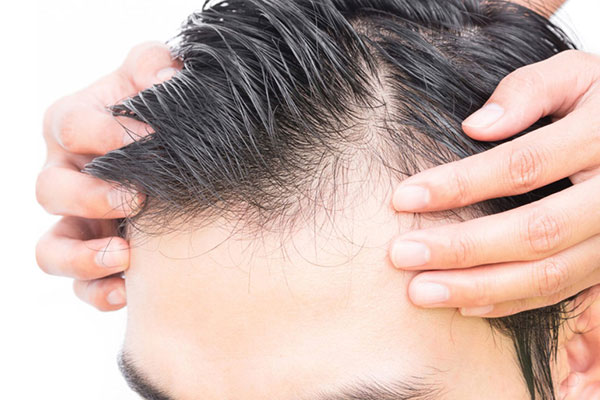
Who Is Not Suitable for Hair Transplant?
Hair transplant can be an effective solution for many people; however, it is not suitable for everyone. Donor area insufficiency, active hair loss, certain systemic diseases or unrealistic expectations can make hair transplant risky or inefficient. Suitability evaluation should be determined through hair analysis, medical history and expert examination. Personal planning is essential for each patient.
Why May Hair Transplant Not Be Suitable for Everyone?
Hair transplant is a surgical procedure and depends on certain biological conditions. For a successful result:
- Adequate and healthy donor area
- Stable (stationary) hair loss
- General health status being suitable
- Realistic expectations
are required. The procedure may not be recommended when one or several of these criteria are not met.
Medical and Genetic Factors
The cause of hair loss is important. Male pattern genetic loss (androgenetic alopecia) is generally a suitable basis for hair transplant.
However:
- Widespread and rapidly progressing hair loss
- Autoimmune-related hair loss
- Hormonal imbalances
may primarily require medical treatment. In these cases, hair transplant planning may be postponed.
Conditions Unsuitable for Hair Transplant
Donor Area Insufficiency
The most critical factor in hair transplant is the donor area capacity in the nape region. If:
- Hair density is low
- Hair follicles are weak
- Excessive graft harvesting has been done previously
the desired density may not be achieved. In this case, the operation may be inefficient.
Active Hair Loss
If the hair loss process is still continuing rapidly, transplanted hair may be permanent but existing hair may continue to fall. This may create an aesthetically unbalanced appearance.
Therefore, it is recommended to first establish medical balance in cases of active and uncontrolled hair loss.
Systemic Diseases
Uncontrolled diabetes, serious heart diseases, bleeding disorders or immune system diseases may pose a risk for hair transplant.
Also:
- Blood thinner use
- Advanced hypertension
- Active infection
in such cases the procedure may be postponed or deemed unsuitable. The final decision is made by doctor evaluation.
How Is Suitability Evaluation Performed?
A comprehensive analysis process should be conducted before hair transplant. This process focuses not only on hair density but also on general health status.
Expert Examination
In suitability evaluation:
- Donor area analysis
- Hair thickness measurement
- Hair loss type detection
- Medical history review
- Blood tests if necessary
are performed.
Patient expectations are also evaluated. The procedure may not be recommended for those with unrealistic density expectations.
Alternative Treatment Methods
If hair transplant is not suitable, it is not a completely unsolvable situation. Alternative approaches can be evaluated:
- Medical treatments (topical or systemic support)
- Hair mesotherapy
- PRP applications
- Stem cell supported approaches
- Hair simulation
Which method is suitable should be determined by personal analysis results.

Short Summary
- Hair transplant is not suitable for everyone.
- Donor area capacity is the most determining factor.
- Active hair loss and some diseases can pose risks.
- Realistic expectations are important.
- Suitability must be determined by expert examination.