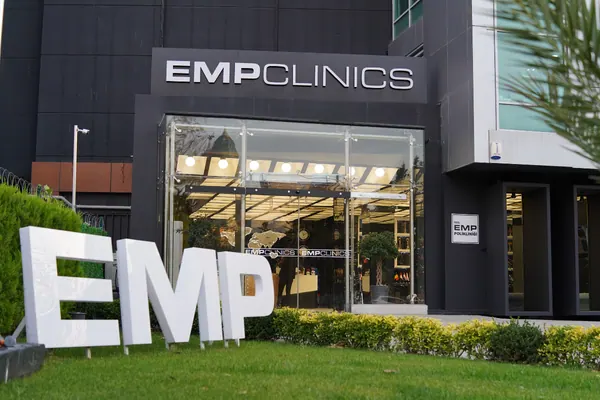
For many people experiencing hair loss, a hair transplant in Ataşehir has become an important option — both for regaining an aesthetic appearance and for restoring self-confidence. For first-time researchers, however, the methods, process stages, recovery period, and factors that affect pricing can easily blur together. In this guide, we cover the essentials you need to know before deciding on a hair transplant in clear, accessible language, moving step by step from candidate assessment to the day of the operation, and from post-transplant care to when you can expect to see results. We also take a practical look at the differences between common techniques such as FUE and DHI, the criteria to consider when choosing a clinic in Türkiye, current expectations, and the trends emerging as we head into 2026. While explaining why a local approach matters — especially for those seeking care on Istanbul's Anatolian Side — we also share the key points to weigh when evaluating a hair transplant center for readers who want reliable information.
What Is a Hair Transplant in Ataşehir? Who Is It Suitable For?
A hair transplant in Ataşehir is the procedure of relocating strong hair follicles from the nape of the neck to bald or thinning areas. The primary goal is to create a more natural-looking, permanent hairline. In districts like Ataşehir, where access to healthcare is strong, the surgeon's experience, hygiene standards, and official licensing credentials are especially important when choosing a clinic. In Türkiye, a physician examination before the procedure and a personalized treatment plan are critical requirements.
Step-by-Step Assessment Guide
- 1. Identify the root cause: Not all hair loss requires a transplant. Genetic hair loss is the most common reason for candidacy; with stress, anemia, or hormonal issues, the underlying cause should be evaluated first.
- 2. Check the donor area: A hair transplant requires sufficient healthy follicles at the nape of the neck. If this area is weak, results may be limited.
- 3. Find out whether you are a suitable candidate: Transplants are generally appropriate for people with a receding hairline, thinning at the crown, and good overall health. For very young patients, planning must be handled with extra care.
- 4. Compare the methods: FUE and DHI are the most frequently chosen techniques in the Turkish market. The 2026 trends highlight more natural front hairline design, digital analysis, and personalized plans that make recovery easier.
- 5. Choose your clinic wisely: To better understand the process and candidacy criteria, it is safer to gather basic information from resources such as a hair transplant center and then make your decision after a face-to-face examination.
The difference between a hair transplant and hair loss treatment
Many people researching hair transplants in Ataşehir assume a hair transplant and hair loss treatment are the same thing. In reality, these two approaches serve different purposes. A hair transplant refers to transferring hair follicles to areas where the loss is permanent. Hair treatments, on the other hand, aim to protect existing hair, slow the rate of shedding, and support the scalp.
How to tell them apart, step by step
- 1. Define the problem first: If the hair follicles are completely lost, treatment alone may not be enough; a hair transplant becomes the more appropriate option.
- 2. Assess your existing hair: If thinning has only just begun, the process can be slowed with medication, hair mesotherapy, or PRP treatments.
- 3. Check the donor area: Follicle density at the nape of the neck matters for a transplant. For this reason, not every patient is a suitable candidate.
- 4. Choose your clinic wisely: In Türkiye, the procedure must be planned at centers that comply with Ministry of Health regulations and under physician supervision. When choosing a hair transplant center, official authorization, hygiene, and a doctor consultation should all be taken into account.
- 5. Follow the 2026 trends: The current approach is a "protect first, transplant second" model. More natural front hairline designs, personalized planning, and methods offering shorter recovery times are leading the Turkish market.
In short, hair treatment is preventive, while a hair transplant is a complementary and more permanent solution. Expert evaluation is essential for making the right choice.
Why are hair transplants in Ataşehir researched so often?
The main reason searches for hair transplants in Ataşehir keep rising is that the district stands out for both its transport convenience and its place within Istanbul's concentration of healthcare services. For first-time researchers, the topic usually becomes clear in the following practical order:
Step-by-step assessment
- 1. Recognizing the need: A receding hairline, thinning at the crown, or the wish to preserve one's former look prompts people to start researching.
- 2. Choosing the area: Thanks to its central location on the Anatolian Side, Ataşehir is a frequent choice because it simplifies scheduling for examinations, follow-ups, and the day of the procedure.
- 3. Understanding the method: Readers usually compare natural results, recovery time, and how quickly they can return to daily life. At this stage, hair transplant center content that explains the different approaches in plain terms can support the decision process.
- 4. Safety check: When choosing in Türkiye, always verify the center's authorization status, whether the procedure is planned by a physician, and whether post-procedure follow-up is provided.
- 5. Watching the 2026 trends: More natural front hairline design, digital pre-analysis, personalized planning, and stronger post-operative follow-up systems are on the rise.
In the local market, sustainable results, transparent information, and a regular follow-up process are becoming as important as price. That is why research into hair transplants in Ataşehir is done not just for the day of the procedure, but for the entire care journey.
Step 1: Correctly Understanding the Cause of Hair Loss
Before beginning the Ataşehir hair transplant journey, the first and most critical step is understanding the real cause of your hair loss, because not every type of shedding is suitable for a transplant. For beginner-level readers, the simplest distinction is this: some hair loss is genetic, while other cases stem from stress, nutritional deficiencies, hormonal changes, medication use, or scalp conditions.
Do the initial assessment step by step
- 1. Note how long the shedding has been going on. If it started suddenly, there may be a different underlying health cause.
- 2. Look at your family history. Male-pattern and female-pattern hair loss are among the most common causes in Türkiye.
- 3. Review your daily lifestyle. Intense stress, rapid weight loss, and an irregular diet can affect hair density.
- 4. Get a physician evaluation at a licensed healthcare facility. Especially in major hubs like Ataşehir, a scalp analysis and donor area check should be performed before making a decision.
The most notable development in the 2026 trends is the more frequent use of digital hair analysis and AI-assisted pre-assessment tools. These tools, however, do not make the decision on their own; they are no substitute for a physician's examination. In the Turkish market, the right approach is to clarify the cause first and choose the method second. That is why drawing on informative resources such as the hair transplant assessment process and prioritizing medical suitability over price is the safer step.
The most common types of hair loss
Before moving on to a hair transplant in Ataşehir, it is essential to correctly identify the type of hair loss, because not all hair loss develops for the same reason, and the treatment plan changes accordingly. For beginner-level readers, the steps below offer a practical way to distinguish the most common types of hair loss.
A step-by-step guide to recognizing hair loss
- 1. Check the forehead and crown: The most common type in men is genetic hair loss. It usually begins with recession at the temples and thinning at the crown. The majority of hair transplant applications in Türkiye fall into this group.
- 2. Look at the hair parting: The type of loss commonly seen in women appears as overall thinning of the hair and a widening part line. In this case, evaluating underlying causes before a transplant is important.
- 3. Distinguish sudden, heavy shedding: Diffuse shedding that begins after stress, childbirth, illness, rapid weight loss, or seasonal transitions may be temporary. In recent years, clinics have been more careful to rule out this kind of temporary shedding before a transplant.
- 4. Take localized patches seriously: Round, sharply demarcated bald patches may be linked to the immune system. In this case, a dermatology evaluation is needed before considering a hair transplant.
- 5. Get an expert evaluation: The 2026 trends emphasize digital hair analysis and personalized planning. When choosing a healthcare facility in Türkiye, preferring licensed centers, requesting a detailed pre-procedure examination, and drawing on informative resources such as the hair transplant assessment process provide a safer approach.
When should a hair transplant be considered?
Step-by-step decision guide
The decision for a hair transplant in Ataşehir should be considered not merely when the hair starts thinning, but when shedding becomes consistent and begins to affect daily life. For beginner-level readers, the most practical approach is to evaluate the process step by step.
- 1. Understand the type of hair loss: If hairline recession, opening at the crown, or overall thinning has continued for several months, an expert evaluation is needed. With sudden shedding, the underlying cause should be investigated first.
- 2. Check whether you have exhausted medical options: A hair transplant is usually more effective when planned alongside treatments that protect existing hair. For this reason, the first examination should assess overall hair health, not just the transplant itself.
- 3. Find out whether the donor area is suitable: If hair density at the nape of the neck is sufficient, a hair transplant becomes a stronger option. Not everyone experiencing thinning has the same candidate profile.
- 4. Set realistic expectations: The goal is usually not an exact replica of your former hair, but a natural, balanced appearance.
- 5. Choose your clinic carefully: When deciding in Türkiye — and in Istanbul in particular — prefer centers that meet Ministry of Health standards and have clear physician-led planning. For patients coming from abroad, medical tourism authorization processes also matter. When beginning your clinic research, reviewing institutional resources such as Ataşehir hair transplant options can be helpful.
2026 trends
In 2026, the trend is moving toward more natural hairline design, personalized planning, and treating the transplant process together with hair-preservation therapies. In the Ataşehir hair transplant market too, the emphasis is shifting from speed to long-term, natural-result-focused care.
Step 2: Choosing a Clinic and Specialist Before Your Ataşehir Hair Transplant
One of the most critical stages of the Ataşehir hair transplant process is choosing the right clinic and specialist. For first-time researchers, approaching this step methodically matters for both safety and the quality of the outcome.
Steps to follow for the right choice
- 1. Check licensing and legal compliance: Make sure the clinic operates in accordance with Ministry of Health regulations. In Türkiye, the healthcare facility's authorization status and who actually performs the procedure must always be verified.
- 2. Examine the specialist's experience: Evaluate how many years the doctor or medical team has worked in this field, which cases they specialize in, and their before-and-after examples. Experience in natural hairline planning is especially important.
- 3. Ask for clear information about the methods: Centers that can explain in simple terms why FUE or DHI is being recommended for you inspire more confidence. Personalized planning is even more prominent among the 2026 trends.
- 4. Evaluate the consultation process: Detailed information rather than a quick sales pitch before the examination is an important indicator. For instance, when reviewing Ataşehir hair transplant center options, pay particular attention to the quality of the consultation.
- 5. Don't let price be the only criterion: In the Turkish market, prices vary based on graft count, team experience, the technique used, and follow-up services. Very low quotes may signal that the scope of service is incomplete.
Current trends indicate that more transparent pricing, digital hair analysis, and personalized operation planning will become more widespread in the Ataşehir area. For this reason, consulting at least two different centers before deciding is a practical and safe approach.
Essential questions to ask when choosing a clinic
A checklist for deciding on a hair transplant in Ataşehir
When researching a hair transplant in Ataşehir, clinic choice is as decisive for safety as it is for the quality of the result. For a beginner-level reader, the most practical method is to go into the consultation with clear questions.
- 1. Who plans and who performs the procedure? Always ask at which stages the doctor is involved, who draws the initial hairline design, and how the team is structured on the day of the procedure.
- 2. Does the clinic have official authorization and operating credentials? For centers in Türkiye, asking for clear information about the Ministry of Health license, hygiene standards, and, if applicable, medical tourism authorization is a safe starting point.
- 3. Which method is being recommended to you and why? Ask them to explain in plain language that methods like FUE or DHI are not equally suitable for everyone, and why one was chosen based on your hair type and the extent of thinning.
- 4. How are graft count and price determined? Factors affecting the price include the size of the thinning area, session length, team experience, the technology used, and post-procedure follow-up. Learn not just the "package price" but also what it covers.
- 5. How is before-and-after follow-up handled? The 2026 trends highlight digital monitoring, more personal planning, and more natural hairline design. So ask about the follow-up process, the recovery guide, and remote check-in support if needed.
- 6. Are there real patient examples? Seeing cases with a hair type similar to yours helps you set expectations more accurately. For additional insight, reviewing hair transplant center case examples and their approach to the process can also be useful when comparing options.
In short, when choosing a hair transplant clinic in Ataşehir, you should look not only at price but at competence, transparency, the follow-up process, and a focus on natural results — all together.
Legal and ethical points to consider in Türkiye
Pre-Transplant Checklist for Ataşehir
When researching a hair transplant in Ataşehir, proceeding on price alone is not the right approach. To decide safely in Türkiye, the process should be evaluated step by step.
- 1. Verify the facility's authorization. It is important that the procedure is performed at a center authorized to provide healthcare services. Given the high demand in Istanbul in particular, the clinic is expected to openly share its official registrations, physician credentials, and examination process.
- 2. Clarify who will perform the procedure. Hair transplant planning, examination, and medical decisions must be the physician's responsibility. During the consultation, ask who handles channel opening, graft harvesting, and each stage of the follow-up process.
- 3. Don't decide without reading the consent form. Explaining possibilities such as pain, swelling, delayed healing, or lower-than-expected density in advance is a fundamental ethical requirement. Centers that promise realistic outcomes are more trustworthy; be cautious of advertising that guarantees definitive results.
- 4. Question the advertising language. Promotional language can be aggressive in the Turkish market, but "guaranteed results" and heavy discounting are not indicators of quality on their own. When making your hair transplant center choice, compare the medical evaluation first and the service details second.
- 5. Know the 2026 trends. Digital pre-analysis, AI-assisted hairline planning, and more transparent document sharing for international patients are on the rise. In the future, the ethical difference will be defined less by the technology itself and more by the centers that apply it under physician supervision.
Step 3: Getting to Know the Ataşehir Hair Transplant Methods
In the Ataşehir hair transplant process, understanding the right method is the foundation of building a roadmap that fits your expectations. For a beginner, the most important point is that each technique differs in graft harvesting, implantation density, and recovery time. At clinics serving areas close to major medical hubs like Ataşehir, you should ask clearly and simply during the consultation why a particular method is being recommended for you.
Evaluate the Method Choice Step by Step
- 1. Understand the FUE method: It is one of the most widely preferred techniques in Türkiye. Grafts are extracted one by one, and it is frequently used in natural hairline planning.
- 2. Look into the DHI option: It stands out in cases where denser, more controlled implantation is the goal. It can be considered especially for those who want a fuller look.
- 3. Have the donor area checked: Whichever method is chosen, the quality of hair at the nape of the neck directly affects the outcome.
- 4. Ask about clinic standards: In Türkiye, compliance with Ministry of Health regulations, physician supervision, and a sterile environment are important markers of trust.
The 2026 trends highlight personalized planning, digital hairline design, and a faster return to social life. When researching a hair transplant in Ataşehir, consider not only the price but also the suitability of the method and the specialist's evaluation. When comparing, reviewing the method descriptions on hair transplant center pages can make the decision easier.
What is the FUE method?
FUE, or Follicular Unit Extraction, is a modern hair transplant method in which hair follicles are extracted one by one from the donor area and transplanted to thinning areas. For those researching hair transplants in Ataşehir, this technique is one of the most frequently encountered options thanks to its low scarring risk and its focus on natural-looking results. Put in beginner terms, the procedure essentially works on the logic of "take hair from where it is strong, move it to where it is needed."
The FUE process step by step
- 1. A preliminary assessment is done: The cause of your hair loss, the strength of the donor area, and your expectations are analyzed.
- 2. The hairline is planned: For a natural look, age, face shape, and existing hair structure are evaluated together.
- 3. Follicles are harvested: Hair follicles are typically collected one by one from the nape of the neck using special micro punches.
- 4. Channels are opened and implantation is performed: The harvested follicles are placed at the correct angle and direction.
- 5. Recovery is monitored: The first days are delicate; washing, sun protection, and medication use are essential.
The 2026 trends emphasize more natural front hairline design, more precise planning, and digital hair analysis. The Turkish market — especially around Istanbul and Ataşehir — offers an abundance of options; when choosing, however, you should question not only the price but also the physician's experience and whether the center operates in compliance with Ministry of Health regulations. Before the procedure, comparing topics such as case photos, the patient journey, and operating standards as part of your hair transplant center choice supports a safer decision.
What is the DHI method?
DHI, or Direct Hair Implantation, is a hair transplant method in which hair follicles are placed directly into the recipient area using a special pen-like implanter. Put simply for those researching hair transplants in Ataşehir, in this technique channel opening and follicle placement proceed in a more controlled way within a single step. The goals are to plan a more natural hairline, implant more precisely between existing hairs, and manage the recovery period in a structured way.
The DHI process step by step
- 1. Suitability assessment: First, the type of hair loss, the strength of the donor area, and your expectations are examined. Especially when choosing a clinic in Ataşehir, make sure the doctor performs the examination in person.
- 2. Hairline plan: A frontal line is designed to suit your facial structure and remain natural as you age.
- 3. Harvesting the follicles: Healthy follicles are typically collected one by one from the nape of the neck.
- 4. Direct implantation: The harvested follicles are placed into the thinning area without waiting. This step is often preferred for small and medium areas that need densification.
- 5. Recovery and follow-up: In the first days, washing, sun protection, and medication use must be monitored consistently. When comparing your options, look separately at the care protocol as you evaluate hair transplant center options.
2026 trends and notes specific to Türkiye
As of 2026, DHI is trending toward more natural front hairlines, more frequent digital planning, and personalized implantation design. In the Turkish market, team experience, a sterile environment, and the quality of post-operative follow-up are becoming as decisive as price. Locally, the most important recommendation is to choose centers that operate in compliance with Ministry of Health regulations, have clear physician accountability, and transparently share their medical tourism authorizations.
Factors that influence the choice of method
How is the decision made in an Ataşehir hair transplant plan?
In the Ataşehir hair transplant process, choosing the right method should be evaluated not just by price, but together with your hair structure, expectations, and the clinic's standards. For a beginner, the most practical approach is to move through the decision process step by step.
- 1. Determine the extent of your hair loss: If the thinning is limited to the front hairline, a more contained plan may suffice; if there is thinning at the crown and mid-scalp, a broader implantation strategy is needed.
- 2. Check the donor area: Hair density at the nape of the neck directly affects which method is suitable. A strong donor area increases the likelihood of a more natural, balanced result.
- 3. Choose according to your daily life: Those who want to return to social life quickly usually gravitate toward techniques offering a more comfortable recovery. The 2026 trends highlight personalized planning, digital hair analysis, and more natural front hairline design.
- 4. Verify the clinic's competence: When deciding in Türkiye, it is important that the center operates to Ministry of Health standards, that the procedure is planned under physician supervision, and that sterile conditions are provided.
- 5. Compare scope, not packages: When getting a quote in Ataşehir, ask whether graft count, follow-up visits, and aftercare are included. If you would like to review examples, you can compare the service scopes on hair transplant center pages.
In the local market, the right choice is rarely the "cheapest" option — it is the method that delivers a natural look and safe treatment over the long term.
Step 4: Preparing for Your Ataşehir Hair Transplant
In the Ataşehir hair transplant process, the preparation stage plays a major role in a successful and comfortable experience. For those undergoing the procedure for the first time in particular, knowing these steps in advance makes the process clearer and safer.
Key Steps in Preparation
- 1. Schedule a preliminary examination: At the first consultation, the type of hair loss, the state of the donor area, and your expectations are assessed. When choosing among hair transplant centers in Ataşehir, the physician's experience and the center's legal compliance must always be verified.
- 2. Share your medical history: Regularly used medications, chronic conditions, and allergies can affect the treatment plan. At healthcare facilities operating in Türkiye, declaring this information accurately is critical for safety.
- 3. Follow the pre-procedure instructions: You will typically be asked to stop smoking, alcohol, and certain products with potential blood-thinning effects a few days beforehand. This preparation supports the healing process.
- 4. Learn about the current methods: The 2026 trends highlight personalized hairline planning, more natural looks, and digital-analysis-supported pre-assessment. For this reason, reviewing specialist centers that provide detailed information about hair transplants in Ataşehir can be helpful.
- 5. Plan transport and rest: Taking Istanbul traffic into account, transportation for the day of the procedure should be organized in advance. Afterwards, a schedule that allows for proper rest is recommended.
What to do before the procedure
For those planning a hair transplant in Ataşehir, pre-procedure preparation is critical to both the naturalness of the result and the comfort of the process. Especially for first-time researchers, the key steps should be followed in the right order.
Step-by-step preparation guide
- 1. Clarify your needs: Note down how long your hair loss has continued, your family history, and your expectations. This allows for more accurate planning during your Ataşehir hair transplant consultation.
- 2. Research the center and physician: In Türkiye's hair transplant field, experience, hygiene conditions, and patient follow-up stand out. Always check for a Ministry of Health license, physician credentials, and real patient examples. To see a clinic's approach, the service details on hair transplant center pages can also be compared.
- 3. Go to the preliminary examination prepared: Share the medications you take, chronic conditions, and allergies. Smoking, blood-thinning medications, and skin sensitivity can affect the treatment plan.
- 4. Follow the pre-procedure instructions: You will typically be asked to stop alcohol, smoking, and certain medications a few days before the procedure. The exact timing should follow your doctor's recommendation.
- 5. Keep an eye on current trends: Heading into 2026, personalized hairline planning, digital analysis, and more natural-look-focused treatments are leading the Turkish market. Going forward, data-driven planning is expected to become more widespread among clinics in Ataşehir.
What to avoid before the procedure
For those planning a hair transplant in Ataşehir, pre-procedure preparation affects the recovery process as much as the quality of the result. For beginner-level readers in particular, the most important point is knowing which habits to avoid before a hair transplant. In Türkiye, as of 2026, more personalized preparation protocols have come to the fore during the consultation process, while licensing, physician supervision, and transparent disclosure have become even more important in clinic selection.
Points of caution, step by step
- 1. Avoid alcohol and smoking for at least a few days before the procedure. These substances can impair blood circulation and complicate the healing process.
- 2. Do not use aspirin, blood thinners, or herbal supplements without consulting your doctor. Because many patients in Türkiye overlook this detail, sharing your full medication list openly at the preliminary consultation is recommended.
- 3. Stay away from anything that irritates the scalp. Hair dyeing, harsh chemical products, and heavy sun exposure can create risks before the procedure.
- 4. Don't trust every recommendation on social media. While the 2026 trends emphasize natural hairlines and personalized planning, reliable information should come from expert clinical sources. At this point, reviewing institutional resources offering detailed information about hair transplants can be helpful.
- 5. Don't skip sleep or do heavy exercise the day before the procedure. A well-rested body helps the process go more comfortably.
In short, preparing consciously before a hair transplant in Ataşehir is a fundamental step for both safety and expectation management.
Step 5: What to Expect on the Day of Your Ataşehir Hair Transplant
For most people, the day of an Ataşehir hair transplant proceeds in a more planned and controlled way than expected. For first-timers, knowing the process step by step reduces stress and sets clear expectations.
1. Welcome and final check
When you arrive at the clinic, a brief health check is performed first. Your blood pressure, medication use, and current condition are re-evaluated. In Türkiye, paying attention to Ministry of Health standards and the clinic's authorization documents is especially important. At this stage, the treatment plan is approved one final time.
2. Hairline planning
The doctor draws a front hairline suited to your facial structure. For beginner-level patients, the most important point is this: the goal is not just density, but a natural result. The 2026 trends in Ataşehir and the broader Istanbul market highlight personalized design, high-resolution imaging, and more natural front hairline work.
3. Preparation and local anesthesia
Before the procedure, the hair is prepared appropriately and the area is numbed. After this stage, pain is usually reduced significantly. The method used may be FUE, DHI, or a combined plan; the choice depends on your hair structure.
4. Graft harvesting and implantation
Follicles are harvested from the donor area and then placed into the thinning region. The duration varies with the number of grafts to be implanted. To see how the process is managed, walkthrough examples like the Ataşehir hair transplant process can be helpful.
5. End-of-day briefing
When the procedure ends, you will be told when the first wash takes place, how to sleep, and how to take your medications. The most striking development in 2026 is that patients are being monitored more closely after the procedure through digital follow-up and photo-based check-in systems.
Why is hairline planning so critical?
Key steps for a natural look and long-term satisfaction
In the Ataşehir hair transplant process, hairline planning is one of the most critical stages determining whether the result looks artificial or natural. A well-designed hairline does more than cover today's thinning; it also adapts to your face shape, your age, and the possibility of continued hair loss in the future.
- 1. Evaluate facial proportions: If the hairline is placed too low, it may look dense at first glance but can create an unbalanced appearance in later years. That is why the physician assesses forehead width and facial features together.
- 2. Account for future hair loss: Many beginners think only about the bald area. In reality, planning should include how well the existing hair is being protected and whether an additional session might be needed in the future.
- 3. Protect the donor area: The number of grafts that can be taken from the nape of the neck is not unlimited. Hairline design should therefore focus on long-term balance as much as short-term density.
- 4. Question the clinic's approach: In the Turkish market — Istanbul in particular — it is important to prefer centers that offer personalized, physician-supervised planning over fast package deals. During the consultation stage, reviewing process examples from institutional sources such as a hair transplant clinic can be helpful.
- 5. Understand the 2026 trends: In 2026, more natural, softly irregular, age-appropriate front hairlines — along with digital analysis, high-resolution pre-assessment, and personalized planning — are increasingly prominent. Locally, choosing a registered center that meets Ministry of Health standards and requesting written pre-procedure disclosure is the safest approach.
How is the graft count determined?
In Ataşehir hair transplant planning, the graft count is not calculated the same way for everyone. The right number is determined by the size of the thinning area, the strength of the existing hair, and the person's expectations for a natural look. At the beginner level, the most practical approach is to understand the process step by step.
Step-by-step assessment
- 1. The bald area is measured: The front hairline, the crown, and the sides are examined separately. A small receding forehead and broad crown thinning do not create the same graft requirement.
- 2. The donor area is checked: If hair density at the nape of the neck is sufficient, a more balanced plan can be made. Experienced centers in Türkiye aim for lasting results without overtaxing the donor area.
- 3. Hair strand structure is evaluated: Thick, dark hair can look fuller with fewer grafts. Fine hair, by contrast, may require a higher graft plan.
- 4. A natural front hairline is designed: A measured line is drawn based on age, face shape, and potential future hair loss. The 2026 trends favor more natural designs over artificial, overly low hairlines.
- 5. Health and legal requirements are factored in: In Türkiye, it is important that the procedure is planned at authorized healthcare facilities under physician supervision. That is why the examination stage should never be skipped.
In current practice, digital hair analysis and density mapping are used more frequently. This allows the graft plan in the Ataşehir hair transplant process to be tailored more personally. For general information on candidate assessment and method selection, the hair transplant guide is worth reviewing.
Step 6: The First 10 Days After Your Ataşehir Hair Transplant
What Should You Watch Out for in the First 10 Days?
The first 10 days after an Ataşehir hair transplant are the most critical period for the permanence of the result. The goals during this time are to protect the implanted follicles, manage scabbing properly, and reduce the risk of infection. For patients treated in Ataşehir, the golden rule is to follow the center's care plan to the letter. Especially in Türkiye's medical tourism and hair transplant sector, choosing centers that meet Ministry of Health standards and offer strong follow-up is important. When evaluating hair transplant center options, post-operative follow-up support should also be considered.
- 1. Do not touch the area for the first 48 hours. Be careful not to bump your head, and move slowly when leaning forward.
- 2. Sleep with your head elevated for the first 3 nights. This helps reduce the risk of swelling.
- 3. Start washing according to your doctor's recommendation. Avoid strong water pressure, scratching with your nails, or heavy rubbing.
- 4. Do not pick at the scabs yourself. They are generally expected to shed in a controlled way within 7-10 days.
- 5. Stay away from sports, saunas, Turkish baths, and intense sun. Because sweating increases during Istanbul summers, this warning is even more important.
- 6. The 2026 trends highlight remote follow-up, digital photo checks, and personalized care plans. Many clinics now monitor the first 10 days with daily messages or video check-ins.
Redness, mild swelling, and scabbing are normal for most patients; however, a bad odor, increasing pain, or pus-like discharge means you should contact the clinic without delay.
What to pay attention to in the first days
Practical aftercare steps following an Ataşehir hair transplant
The first days after an Ataşehir hair transplant are considered critical for the permanence of the result and the comfort of recovery. Especially for patients living in a fast-paced city like Istanbul, the first week should be spent following a deliberate plan rather than rushing back to the daily routine. The steps below offer a beginner-friendly framework.
- 1. For the first 24 hours, do not touch or scratch the transplanted area, and protect it from any impact. Shielding your head is important when driving, riding crowded public transport, or passing through office entrances.
- 2. Follow the washing and care instructions you are given exactly. Authorized healthcare facilities in Türkiye specifically emphasize that post-procedure care must follow the physician's plan. So do not skip follow-up appointments; for sample guidance, post-transplant care recommendations are worth reviewing.
- 3. In the first days, sleep on your back with your head slightly elevated. This helps reduce the risk of swelling.
- 4. Postpone smoking, alcohol, heavy exercise, and hot environments such as Turkish baths and saunas, even briefly. In the summer months, sun protection is also important in Ataşehir.
- 5. The 2026 trends highlight personalized recovery tracking, digital follow-up processes, and more natural front hairline planning. Yet no matter how advanced the technology becomes, disciplined care in the first days remains one of the most decisive factors.
Temporary conditions considered normal
A step-by-step follow-up guide after an Ataşehir hair transplant
Some temporary symptoms after an Ataşehir hair transplant are considered normal. Especially for first-time patients, reading this period correctly prevents unnecessary anxiety. When receiving care in Türkiye, it is important that the clinic operates under physician supervision and complies with Ministry of Health regulations. That is why carefully reviewing the clinic's disclosures before the procedure is helpful; for instance, the patient guides of centers that provide information about the hair transplant process can point you in the right direction.
- 1. Within the first 3 days, mild redness, tightness, and pinpoint scabbing may appear. This is usually the skin's healing response.
- 2. Mild swelling may occur in the recipient and donor areas within the first week. Keeping the head upright and following the physician's recommended washing plan makes the process easier.
- 3. Between weeks 2 and 6, a temporary hair loss known as "shock loss" may occur. This does not mean the procedure has failed; it is viewed as a preparation phase for new hair growth.
- 4. Small pimple-like bumps may appear in the first months. This is common as new hairs emerge, but rather than squeezing them, you should seek an expert opinion.
- 5. The 2026 trends in Istanbul and Ataşehir highlight digital follow-up, photo-based recovery plans, and personalized care recommendations. Even so, if temporary symptoms persist or pain increases, you should always see your doctor.
Step 7: When Will You See the Results of Your Ataşehir Hair Transplant?
After an Ataşehir hair transplant, results generally appear gradually, not immediately. Reading the process correctly prevents unnecessary worry and helps set more realistic expectations. Especially in areas with dense healthcare services like Istanbul, the clinic's follow-up plan and patient communication make a significant difference.
The Timeline for Seeing Results
- 1. The first 10 days: Scabbing and mild redness may appear in the transplanted area. This is the normal healing phase and gives no indication of how the hair will finally look.
- 2. Months 1-3: A temporary shedding known as shock loss may occur. Although this can worry newcomers, in most cases it is an expected part of the process.
- 3. Months 4-6: New hair strands begin to emerge. The hair may be fine at this stage but strengthens over time.
- 4. Months 6-12: The results of an Ataşehir hair transplant become more visible. Density, direction, and overall appearance take shape during this period.
- 5. Month 12 and beyond: The final result is usually reached within a year. For some people, the crown area may take longer.
The 2026 trends in the Turkish market highlight digital follow-up, personalized planning, and more natural front hairline designs. When choosing a healthcare facility, always verify the Ministry license, physician oversight, and regular follow-up processes. For more comprehensive information about the process, institutional resources such as hair transplant center pages are also worth reviewing.
Expected changes month by month
In the Ataşehir hair transplant journey, results do not appear all at once; the change is generally tracked month by month. For first-time researchers, the most important point is to be patient and follow the care plan provided by the clinic. When receiving care in Istanbul and across Türkiye, make sure the center performing the procedure is licensed and the physician is qualified.
The monthly process, step by step
- 1. The first month: Redness, scabbing, and temporary shedding may occur after the transplant. This period is normal for most patients. You need to protect yourself from the sun, avoid impacts to the head, and follow your doctor's washing instructions.
- 2. Months two and three: After shock loss, the treated area may look thinner. There is no need to panic at this stage. Many clinics in Türkiye schedule a follow-up appointment during this period; you can also see an example of this clinical approach in hair transplant center content.
- 3. Months four to six: New hairs begin to emerge, fine and soft. The most noticeable morale boost after an Ataşehir hair transplant usually comes in this period. The 2026 trends place even greater emphasis on natural front hairlines and personalized planning.
- 4. Months six to twelve: The hair thickens, density increases, and the overall look settles in. With methods like FUE and DHI, recovery is monitored more systematically through digital photography. In the local market, factors affecting prices include graft count, the doctor's experience, and the follow-up technologies used.
The main factors affecting the result
To achieve a successful, natural look in the Ataşehir hair transplant process, not only the day of the procedure but also the periods before and after must be carefully planned. For beginner-level readers, the most practical approach is to evaluate the factors affecting the result step by step.
Points of attention, step by step
- Accurate candidate assessment: The first step is a proper analysis of the cause of hair loss and the strength of the donor area. Especially in male-pattern hair loss, the degree of thinning and the thickness of the hair strands directly affect the result.
- Choosing the right method: Techniques such as FUE and DHI should be selected based on the individual's needs. In cases requiring dense implantation, the quality of planning matters as much as the technique itself. At this point, getting detailed information about the hair transplant process can make the decision easier.
- Team experience and clinic standards: In the Turkish market, a Ministry of Health license, hygiene conditions, and specialist oversight are important criteria. In major medical hubs like Ataşehir, this difference becomes even more pronounced.
- Compliance with the recovery process: Throughout the first 10 days, washing, sun protection, and scab care must not be neglected. Much of the final result takes shape during this period.
- 2026 trends and expectations: In 2026, more natural front hairline design, digital analysis systems, and personalized planning are leading the way. Going forward, regulations in Türkiye are expected to tighten, and centers focused on patient safety are expected to be preferred even more.
Factors Affecting Ataşehir Hair Transplant Prices
Step-by-Step Assessment Guide
Ataşehir hair transplant prices are not tied to a single figure. From a beginner's perspective, the most accurate approach is to examine the components that make up the price, step by step. This way, you can compare quotes far more reliably.
- 1. The method is determined. Between techniques such as FUE and DHI, the procedure time, the equipment used, and the size of the team can vary — and this directly affects the total cost.
- 2. The graft requirement is calculated. As the extent of thinning grows, so does the number of follicles to be implanted. More grafts mean a longer procedure and a higher price.
- 3. Doctor and clinic experience is checked. In Istanbul's busy medical districts like Ataşehir, experienced teams and strong patient follow-up generally push prices up. When reviewing hair transplant center options, look not just at the price but also at the planning and follow-up services.
- 4. The scope of the package is asked about. The examination, hairline design, medications, first wash, follow-up appointments, and add-ons like PRP are not the same in every package.
- 5. Legal compliance is verified. In Türkiye, a Ministry of Health license, physician supervision, and — if serving international patients — medical tourism authorization documents are important indicators.
- 6. The 2026 trends are considered. AI-assisted planning, more natural front hairline design, and transparent package presentation are on the rise. Going forward, technology and personalized care are expected to make up a growing share of Ataşehir hair transplant prices.
What to look for when researching prices
When comparing Ataşehir hair transplant prices, focusing on a single figure is not the right approach. For a beginner-level reader, the safest method is to check, step by step, which services the price actually covers — because in Türkiye, the same procedure can vary based on package contents, doctor experience, and clinic standards.
Step-by-step checklist
- 1. Start with the package contents. Clarify whether the examination, hair analysis, the transplant procedure, medications, first wash, and follow-up appointments are included in the price.
- 2. Pay attention to who performs the procedure. There can be a price difference between services where the doctor only plans and those where the doctor is actively involved throughout.
- 3. Ask about the method used. FUE, DHI, or supporting technologies can affect the price. The 2026 trends highlight more personalized hairline planning and digital analysis tools.
- 4. Check the clinic's credentials and legal compliance. In Türkiye, healthcare facilities being licensed and complying with hygiene rules is a fundamental requirement.
- 5. Compare the market average in Istanbul, and particularly in the Ataşehir area. Very low prices may mean incomplete services or inadequate follow-up.
- 6. Finally, review patient experiences. To understand a clinic's approach, when evaluating hair transplant center examples, look at the consultation process as closely as the before-and-after results.
In short, the right price for an Ataşehir hair transplant is not the cheapest quote, but the overall value that delivers safety, transparency, and sustainable results.
What to consider when evaluating seasonal promotions
When researching a hair transplant in Ataşehir, seasonal promotions can look attractive at first glance. But to make the right decision, you need to look at the scope of the service offered, not just the price. The steps below provide a practical evaluation framework for beginner-level readers.
Step-by-step checklist
- 1. Clarify what the promotion includes. First ask whether the examination, hair analysis, procedure-day support, and follow-up appointments are included in the price. The phrase "discounted package" alone is not enough.
- 2. Examine the clinic's legal and institutional structure. At healthcare centers in Türkiye, physician accountability, hygiene standards, and patient disclosure processes matter. Request written information rather than verbal promises.
- 3. Learn which method is being used. Methods such as FUE and DHI may be included in the promotion, but the same method is not right for everyone. Quotes given without an individual assessment should therefore be treated with caution.
- 4. Interpret the seasonal advantage correctly. Demand-driven promotions may increase in summer and winter. The 2026 trends, however, point away from price-driven packages and toward services with strong follow-up and personalization.
- 5. Compare your options. When reviewing Ataşehir hair transplant options, you can consult resources such as a hair transplant center to evaluate the clinic's approach, process information, and patient communication together.
In summary, a good promotion should offer not just a lower price, but a promise of trust, transparency, and sustainable results.
Common Mistakes About Hair Transplants in Ataşehir
The most common errors in the initial evaluation
The most common mistake among those new to researching hair transplants in Ataşehir is making the decision on price alone. The right approach is to evaluate the process step by step. When choosing a clinic in Istanbul — and especially in high-demand districts like Ataşehir — you should look not only at the package contents but also at the doctor's planning, post-procedure follow-up, and the center's official credentials. For a solid start, gaining a general understanding of the hair transplant process helps you set more realistic expectations.
Mistakes to avoid, step by step
- 1. Assuming all hair loss is the same: Planning a procedure before understanding the cause of the shedding can lead to an unbalanced appearance later on.
- 2. Defaulting to the "most popular method": FUE, DHI, or sapphire techniques do not deliver the same result for everyone; needs vary from person to person.
- 3. Treating the donor area as unlimited: Follicles at the nape of the neck are finite; over-harvesting can create a risk of permanent thinning.
- 4. Expecting fast results: Confusing the first weeks with the final result is common. In hair transplantation, the appearance matures over months.
- 5. Neglecting aftercare: Washing, sun protection, and doctor follow-ups are at least as important as the operation itself.
- 6. Misreading the 2026 trends: The current direction favors natural front hairlines, personalized planning, and digital hair analysis over promises of ultra-dense implantation. In the Turkish market too, informed patients now seek "safe and sustainable results" rather than "the cheapest option."
As practical advice, requesting a face-to-face examination, asking for a written treatment plan, and pinning down the post-procedure follow-up schedule before deciding on an Ataşehir hair transplant is the safest way to start.
Possible consequences of choosing the wrong clinic
Step-by-step risk checklist
When planning a hair transplant in Ataşehir, the most critical rule is not to choose a clinic based solely on price or social media visibility. The wrong clinic choice can lead to lasting problems, both aesthetic and medical. From a beginner's perspective, the process should be evaluated as follows:
- 1. Verify authorization and physician oversight: Clarify who plans, performs, and follows up on the procedure. In Türkiye, licensing, physician accountability, and additional medical tourism authorization documents are important markers of trust.
- 2. Understand the risk of an unnatural result: Incorrect angle planning, a poorly designed hairline, and unbalanced graft distribution can make the transplant look artificial. Correcting such mistakes may require a second operation.
- 3. Question the risk of donor area depletion: Over-harvesting follicles from the nape of the neck can reduce the chance of future transplants. This risk is discussed more often at centers running aggressive promotional campaigns.
- 4. Factor in infection and inadequate follow-up: Poor sterilization, insufficient aftercare instruction, and a weak follow-up process can prolong recovery.
- 5. Read the 2026 trends correctly: The current direction is moving away from "maximum grafts" promises and toward personalized planning, digital hair analysis, more transparent before-and-after tracking, and long-term donor preservation. So look beyond the advertising to how the clinic informs its patients. As an example, the process walkthrough presented on a hair transplant clinic page can offer a useful benchmark when comparing options.
In summary, in your Ataşehir hair transplant research, the wrong choice may look like a low cost in the short term, but in the long run it can create extra expense, lost time, and dissatisfaction.
Why does underestimating aftercare cause problems?
After an Ataşehir hair transplant, the operation is not the only stage that determines a successful result; the aftercare process matters at least as much as the procedure itself. Newly implanted follicles are extremely delicate in the first weeks. Simple mistakes made during this period can lower the graft survival rate, prolong recovery, and reduce satisfaction with the final look.
What to watch during aftercare, step by step
- 1. Take the first 72 hours seriously. You need to protect your head from impacts, avoid heavy exercise that increases sweating, and follow the recommended washing schedule. Especially amid busy urban life in Istanbul, your return-to-work plan should be arranged accordingly.
- 2. Don't neglect the washing and hygiene rules. Rough handling, contact with fingernails, or unsuitable products can worsen scabbing. That is why following the clinic's recommended care plan is essential. For general information about the process, resources such as a hair transplant center guide can be helpful.
- 3. Don't skip medications and follow-up appointments. Centers operating under Ministry of Health oversight in Türkiye should provide patients with a clear follow-up plan. A lack of monitoring increases the risk of infection or uneven healing.
- 4. Read the 2026 trends correctly. The current approach goes beyond the transplant itself to personalized care, digital follow-up, and planning focused on a more natural look. Going forward, post-operative monitoring services are expected to become even more standard in the Ataşehir hair transplant field.
Ataşehir Hair Transplant Trends and Future Outlook for 2026
As of 2026, the prevailing approach in the Ataşehir hair transplant field emphasizes more natural results, shorter recovery times, and personalized planning. For first-time researchers, the most important point is to look not only at the method but also at the doctor's experience, clinic conditions, and process follow-up — all together. In areas with a dense concentration of healthcare services like Ataşehir, the quality of the consultation is now considered at least as decisive as the procedure itself.
Step-by-Step Assessment Guide
- 1. The type of hair loss is analyzed at the preliminary examination. The 2026 trends favor planning tailored to the person's age, hair structure, and donor area capacity over standard packages.
- 2. Learn the technique being used in plain terms. With methods like FUE and DHI, the goal is to make the hairline look natural and balance the implantation density.
- 3. Pay attention to credentials when choosing a clinic. In Türkiye, healthcare facilities must operate in line with current rules on authorization, hygiene, and physician accountability.
- 4. Ask about digital follow-up systems. At hair transplant centers in Ataşehir, online check-ins, photo-based progress tracking, and personal care plans are becoming more widespread.
- 5. Assess future expectations realistically. Beyond 2026, supportive aftercare, comfort-focused service, and natural-look-driven design will become even more important. When researching clinics, comparing hair transplant center options can make the decision process easier.
Current industry developments
Keeping up with current developments in the Ataşehir hair transplant field is important for choosing the right clinic and method. For a beginner, the most practical approach is to evaluate the process step by step.
Points of attention, step by step
- 1. Understand the method used: In the 2026 trends, methods like FUE and DHI continue to lead. At hair transplant centers in Ataşehir, these techniques are chosen with the goals of a more natural hairline and a shorter recovery time.
- 2. Ask about digital analysis capabilities: Many clinics now offer hair density measurement, front hairline planning, and photo-supported assessment. This development helps set clearer expectations before the procedure.
- 3. Check the clinic's legal compliance: In Türkiye, a license compliant with Ministry of Health regulations, physician supervision, and hygiene standards are essential for hair transplant procedures. Given the rising demand in Istanbul in particular, credential checks should never be skipped.
- 4. Compare local market trends: Ataşehir is one of the standout districts thanks to its transport convenience and concentration of specialist clinics. For current examples and service approaches, general information can be found through resources such as a hair transplant center.
- 5. Assess future expectations: In the coming period, personalized planning, more comfortable procedures, and supportive care protocols are expected to become widespread. That is why the focus should be on the follow-up service as much as the price.
Key expectations for the Turkish market
For many people researching hair transplants in Ataşehir, the Turkish market stands out for its affordable costs, experienced teams, and fast scheduling. To make the right decision, however, the process needs to be evaluated step by step. The 2026 trends show that greater weight will be placed not just on the number of grafts, but on natural appearance, personalized planning, and post-procedure follow-up.
Step-by-step assessment guide
- 1. Clarify your expectations at the preliminary consultation. How your hairline will look, how many grafts may be needed, and how many hours the procedure will take should all be explained in plain language.
- 2. Question the clinic's legal compliance. In Türkiye, it is important that healthcare centers operate in accordance with the relevant regulations, with physician supervision and proper hygiene standards.
- 3. Understand the method used. With methods like FUE and DHI, the aim is to achieve natural results while protecting the donor area. For beginner-level patients, the most important thing is a clear explanation of why the method is right for you.
- 4. Compare scope, not price. In the Turkish market, prices vary based on doctor experience, graft count, technological infrastructure, and follow-up services. It is therefore healthier to get detailed information about the hair transplant process and review what the package includes.
- 5. For 2026, pay attention to aftercare support. In busy districts like Istanbul and Ataşehir, patients now expect recovery monitoring, digital consultation, and a commitment to natural results as much as the procedure itself.
Conclusion: Your Checklist Before Deciding on a Hair Transplant in Ataşehir
Before deciding on a hair transplant in Ataşehir, it is important to evaluate the process calmly and deliberately. Especially for first-time researchers, clinic standards, physician experience, planning quality, and post-procedure support should be considered together — not just the price. The 2026 trends in the Turkish market increasingly highlight personalized hairline design, treatments targeting shorter recovery times, and digital pre-assessment systems.
Step-by-Step Checklist
- 1. Clarify your expectations at the preliminary consultation. The extent of your thinning, the state of the donor area, and the realistic likelihood of success should be explained clearly.
- 2. Question the clinic's legal and hygiene conditions. In Türkiye, healthcare centers operating in accordance with the relevant regulations is critical for registration and patient safety.
- 3. Understand the method used. Techniques such as FUE and DHI should be explained to you in plain language, along with why they are being recommended for you.
- 4. Ask for the details of the price quote. Always find out whether the Ataşehir hair transplant fee includes the examination, procedure-day services, medications, and follow-ups.
- 5. Review the recovery and care plan. Get clear information about the first wash, when you can return to work, and the shock loss period.
- 6. Compare reliable sources. Before deciding, reviewing hair transplant center options can be helpful.
Finally, rather than rushing the decision, getting evaluations from at least two centers provides a safer approach for comparing local conditions and current practices.
Quick decision checklist
Initial assessment
1. Before deciding on a hair transplant in Ataşehir, clarify your expectations: is your goal to restore the front hairline, cover a thinning area, or increase overall density? For beginner-level readers, the most important thing to know is that a hair transplant is not an "instant result" but a process that takes shape over months.
2. Don't focus only on price when choosing a clinic. Because Türkiye's major cities have so many centers, the doctor's experience, the center's healthcare standards, and a treatment plan prepared specifically for you are more decisive. When consulting institutional resources such as a hair transplant center, look for clear explanations of the procedure steps.
Method and process selection
3. Get a simple understanding of the method being recommended to you. Names like FUE and DHI come up often; what matters more than the name is having a plan suited to your hair structure and the extent of your thinning. Whether the donor area is sufficient must be asked at the examination.
4. Learn the factors affecting the price one by one: graft count, doctor involvement, the equipment used, session length, and additional services all change the total cost.
5. The 2026 trends highlight more natural front hairline design, personalized planning, and digital follow-up that closely monitors recovery. When making your final decision, use "safe, transparent, and sustainable results" — not "cheapest" — as your benchmark.
Conclusion
The essential roadmap for properly evaluating the Ataşehir hair transplant process is clear: 1. The cause of hair loss and the adequacy of the donor area should be analyzed at the preliminary examination. 2. Methods such as FUE and DHI should be compared based on your expectations and hair structure. 3. Price evaluation should weigh not just the fee but the physician's experience, clinic standards, and the follow-up process together. 4. When choosing a clinic in Türkiye, licensing, hygiene, physician accountability, and transparent disclosure should be checked with particular care. 5. The 2026 trends highlight more natural front hairline planning, personalized density design, and digital-analysis-supported planning. Before you decide, review trustworthy sources, seek expert advice, and take an informed first step by consulting the hair transplant guide to find a center that fits your needs.