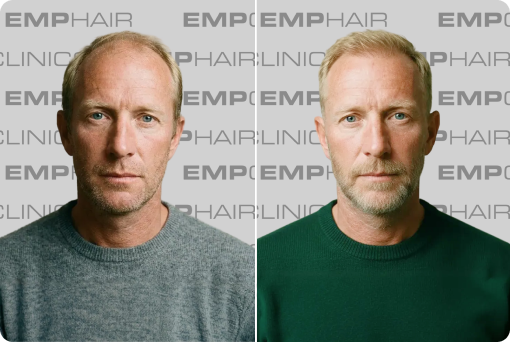
Things to Consider Before and After Hair Transplant
The hair transplant process is not limited to the day of the operation. Proper preparation before the operation and conscious care after the operation are decisive for the quality of the result to be achieved. Medication use, lifestyle habits, first week protection process and long-term care plan may vary from person to person. Therefore, the entire process should be planned in line with expert evaluation and recommendations.
Preparation Process Before Hair Transplant
The pre-operation period is important both for surgical safety and graft quality. During this process, medical history is evaluated in detail.
Generally, attention should be paid to:
- Reporting existing diseases
- Sharing medications used
- Reducing smoking and alcohol consumption
- Choosing comfortable clothing on the day of the operation
Each patient's preparation process may vary according to their personal health status.
Medications and Habits
Some medications may increase the risk of bleeding. Especially:
- Blood thinners
- Aspirin-based medications
- Herbal supplements (ginkgo, garlic capsules, etc.)
should be adjusted under doctor supervision before the operation.
Also, smoking may slow down the recovery process by affecting blood circulation. Therefore, it is recommended to reduce it during the pre- and post-operation period if possible.
First Week After Hair Transplant
The first 7 days are considered critical for the graft adherence process.
During this period:
- Impact to the head area should be avoided.
- Sleeping face down should be avoided.
- First wash should be done according to clinic recommendation.
- Crusts should not be forcibly removed.
Mild edema, redness and crusting may be considered normal. However, a doctor should be consulted in case of severe pain, heavy discharge or fever.
Long-Term Care and Protection
After hair transplant, care should be taken not only in the first week but throughout the first year.
- Strenuous exercise should be avoided for the first 2 weeks.
- Direct sun exposure should be avoided for the first month.
- Chemical hair products should be avoided for a while.
- Attention should be paid to nutrition.
New hair growth usually starts within 3–4 months. The final result takes shape within 12 months in most people. This process requires patience.
Common Mistakes
Some wrong practices after hair transplant may negatively affect the result.
Most common mistakes:
- Removing crusts too early
- Exercising in the first week
- Continuing to smoke
- Using products without doctor recommendation
- Evaluating the process impatiently
Also, density expectation in the early period is not realistic. The shock shedding process is a temporary stage.
Psychological Preparation and Expectation Management
Hair transplant is an aesthetic procedure and expectation management is important.
- The same density cannot be achieved in everyone.
- Donor area capacity is limited.
- The process progresses gradually.
Realistic expectations are a determining factor for post-operative satisfaction.

Short Summary
- Medications and habits should be adjusted before the operation.
- Protection of grafts in the first week is critical.
- Shock shedding is a temporary process.
- Long-term care affects the results.
- The entire process should be planned under expert supervision.