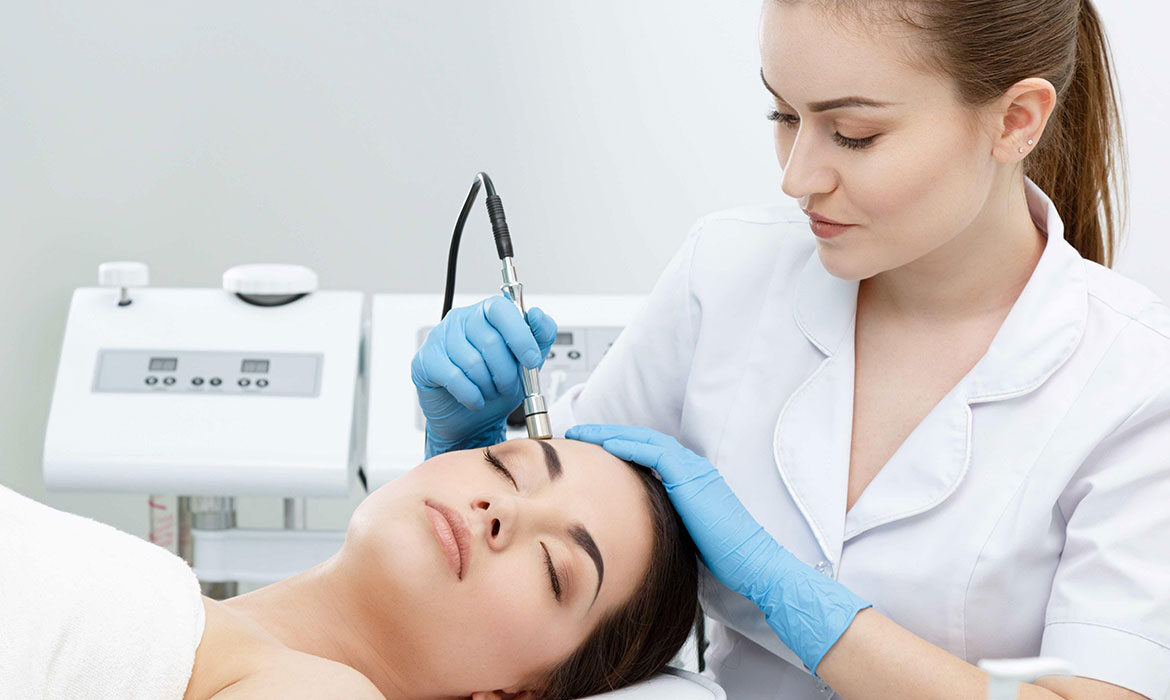
What Are Medical Aesthetic Applications?
Medical aesthetic applications are minimally invasive procedures that aim to improve skin quality, reduce signs of aging and improve facial contour balance without requiring surgical intervention. Medical aesthetics is a field preferred by both women and men. Applications are planned personally; skin structure, age, expectations and general health status are taken into account.
Non-surgical aesthetic applications can offer a rapid recovery process; however, not every procedure is suitable for everyone. Expert physician evaluation is the essential first step.
What Do Medical Aesthetics Do?
- May reduce the appearance of fine wrinkles
- May balance volume loss
- May even out skin tone
- May support elasticity loss
- May provide a more dynamic and rested appearance
The aim is to improve facial expression while preserving a natural look. Avoiding excessive and artificial results is part of professional planning.
Differences Between Surgical and Medical Aesthetics
Surgical aesthetics:
- Requires surgery
- May have longer recovery period
- Provides permanent structural change
Medical aesthetics:
- Is not surgical
- Generally applied in a short time
- Effects may be temporary
- Recovery period is shorter
Which method is appropriate is determined according to the person's needs.
Most Commonly Applied Procedures in Medical Aesthetics
Botox Applications
Botox is one of the most preferred applications among filler procedures. Temporary relaxation of mimic muscles is achieved with botulinum toxin injection.
Most common application areas:
- Forehead lines
- Between eyebrows
- Eye area (crow's feet)
Duration of effect may vary from person to person. Regular repetition may be required.
Filler Applications
Filler applications generally contain hyaluronic acid and are used in areas with volume loss.
- Nasolabial lines
- Lip filler
- Cheekbones
- Jawline
The aim is to balance facial proportions. Excessive filler can disrupt natural appearance; dose and technique are of critical importance.
Skin Rejuvenation and Renewal
Skin rejuvenation applications:
- Mesotherapy
- PRP
- Laser applications
- Radiofrequency
These procedures aim to support collagen production. Results may require several sessions and vary from person to person.
Spot and Acne Treatments
Medical aesthetic applications can play a supportive role in problems such as sun spots, melasma, acne scars, and active acne. However, medical treatment may be required for some dermatological conditions.
Who Is Medical Aesthetics Suitable For?
- Those who want to reduce signs of aging
- Those who want to improve skin tone
- Individuals who do not want surgery
- People with good general health status
Applications may be postponed during pregnancy, active infection or some neurological diseases.
Evaluation According to Skin Type
Each skin type is different:
- Oily skin
- Dry skin
- Sensitive skin
- Combination skin
Application plan is determined according to skin structure. A one-size-fits-all protocol is not correct.
Advantages of Medical Aesthetic Applications
- Does not require surgery
- Short procedure time
- Quick return to social life
- Natural appearance goal
- Personalized planning
However, duration of effect may be limited and regular maintenance may be required.
Patient Experience in Medical Aesthetics
- Detailed analysis
- Realistic expectation
- Proper product selection
- Expert application
- Follow-up appointments
A successful medical aesthetics experience is associated with the above factors.
Factors Affecting Application Success
- Physician experience
- Product quality
- Dose and technique
- Patient's skin structure
- Smoking and lifestyle
In every procedure, results depend on personal factors. Cannot be guaranteed.
Future of Medical Aesthetics
- Personalized biostimulant applications
- Longer-lasting filler materials
- Combined protocols
- Digital face analysis
come to the fore. However, ethical and natural appearance approach continues to be the fundamental principle.
Short Summary
Medical aesthetic applications aim to improve skin quality and reduce signs of aging with non-surgical, minimally invasive procedures. Botox, fillers, skin rejuvenation and spot treatments are among the most commonly applied methods. Suitability and planning should be done personally.