Wearing Beret After Hair Transplant

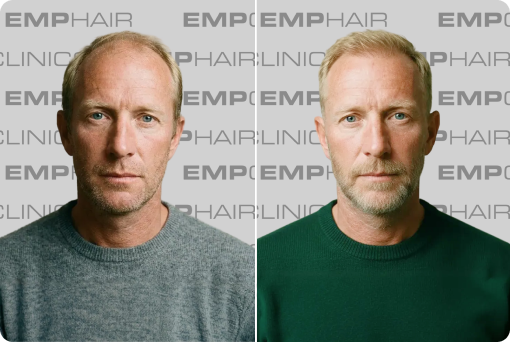
You must accept the fact that you need to follow doctor’s potoperative instructions while hair transplant process continues. We emphasize following instructions after hair transplant operation. Because following instructions can be seen easily in a couple of days after hair transplant. We suggest you to wait microscobic hair analysis results to stop following instructions. In traditional techniques, after hair transplantat operation there were scars both donor area and transplanted area. Shaving the hair, the formation of red dots in the planted areas will cause despondency to patients after the operation. However, since modern techniques do not have both shaving and opening holes for the grafts, the patient’s need for concealment is eliminated.

Personalized Design in Hair Transplantation

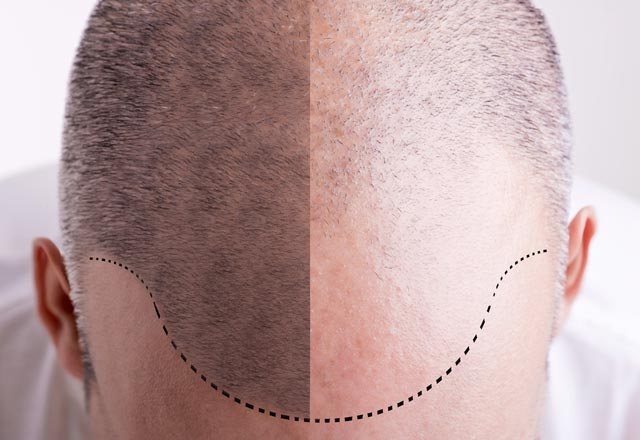
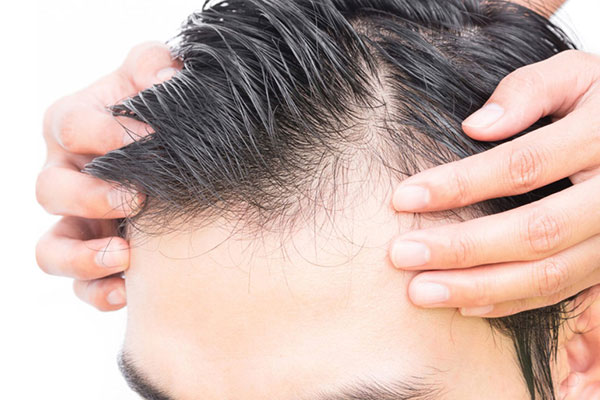
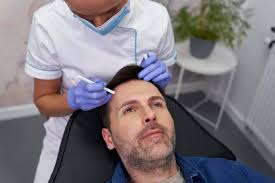
The most important step of the procedure is to create a personalized hair design in hair transplantation surgery. Especially the design of the front hairline is the most decisive feature of hair transplantation design. Proper planning is important for successful results in hair transplantation operations. One of the most important aspects of a successful hair transplant is to plan and design the new hair line.

Motorized and Manual Hair Transplantation

Since FUE became a suitable hair transplantation technique, FUE removal tools have undergone significant changes and improvements as motorized and manual hair transplantation. FUE practitioners now use a variety of extraction tools, punches and techniques to collect follicular units. Hair restoration physicians performing follicular unit excision cannot see under the surface of the scalp and therefore have to rely on their own experience.

Hairline Determination Using Laser

There has been a recent increase in interest in “hairline determination using laser and laser hair transplantation”, which is parallel to the increased use of lasers for a wide range of aesthetic surgical procedures. Lasers provide great advantages for both the physician and the patient.

Computer-Assisted Hair Analysis

Computer-assisted hair analysis is a technological hair analysis application that provides necessary information about the hair cycle. It also provides hair quality of the individual to determine hair quality and hair loss rate. This information is then used in hair transplantation operations. Computer-assisted hair analysis is an alopecia, scalp and hair analysis technique providing detailed information about alopecia, hair, hair type and appropriate care methods in order to ensure more systematic and more accurate customer service.

Front Hairline Design

Patients, especially younger ones, frequently request low, flat hairlines. It is quite understandable for the patients who decide to have hair transplantation surgery to want the front hairline design to be similar to the hairline types seen in the lowest possible age group. However, this request is not suitable for all age groups. Therefore, creating an age-appropriate hairline will provide a more natural look.

Methods for Hair Regrowth and Hair Loss

Detailed insights into the causes of hair loss and various methods to stimulate new hair growth.

Hair Regrowth Methods

Comprehensive overview of natural plant-based solutions and clinical treatments to combat hair loss.

Awakening Dormant Hair Follicles

Learn what dormant hair follicles are, how to reactivate them, and discover the most effective natural and clinical methods with expert recommendations.

Is Rice Water Good for Hair?

Explore the potential benefits and scientific evidence behind using rice water for healthier, stronger hair.

Does Anything Really Regrow Hair? Scientific Methods and Myths

A fact-checked investigation into scientifically proven hair regrowth methods versus common misconceptions.

Does Dermaroller Really Regrow Hair? Real User Experiences

Explore the claims about dermaroller for hair regrowth, backed by scientific research and real user reviews.

What is FUE Hair Transplant? Process, Benefits and Who Is It Suitable For?

What is FUE hair transplant, how is it performed? Comprehensive and reliable guide on the process, benefits, recovery period and who it is suitable for.

What is DHI Hair Transplant? Benefits, Process and Who Is It Suitable For?

What is DHI hair transplant, how is it performed? Comprehensive and reliable guide on benefits, recovery process and who it is suitable for.

What is No-Shave Hair Transplant (Long Hair FUE)? Benefits and Who Is It Suitable For?

What is no-shave hair transplant? Detailed guide on Long Hair FUE method, benefits, recovery process and who it is suitable for.

What is Hair Transplant for Women? Methods and Process

How is hair transplant performed in women? Who is it suitable for, which techniques are preferred? Detailed guide on process and recovery.

What is Needle-Free Hair Transplant? Comfort-Focused Methods

What is needle-free hair transplant, how is it applied? Needle-free anesthesia system, comfort benefits and process - detailed guide.

Who Is Not Suitable for Hair Transplant?

Who is not suitable for hair transplant? Hair transplant suitability evaluation guide based on medical, genetic and structural factors.

What Is the Hair Transplant Recovery Process?

How does the hair transplant recovery process progress? Detailed guide on the first days, shock shedding period and care recommendations.

Things to Consider Before and After Hair Transplant

What should be considered before and after hair transplant? Preparation process, first week care recommendations and long-term protection guide.

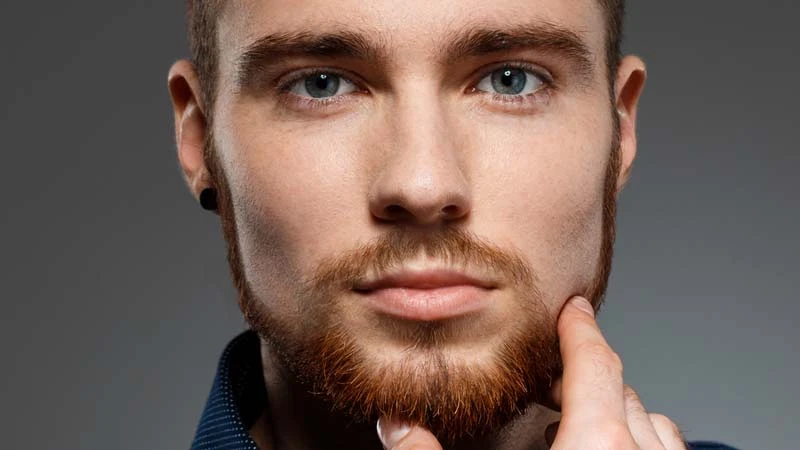
What is Beard and Eyebrow Transplant? Process and Who Is It Suitable For?

What is beard and eyebrow transplant, how is it done? Who is it suitable for? Detailed guide on process, techniques and recovery period.

Hair Transplant Methods Comparison: FUE or DHI?

What are the differences between FUE and DHI hair transplant? Detailed comparison guide on benefits, process and which method is suitable for you.